

Our Family’s Story
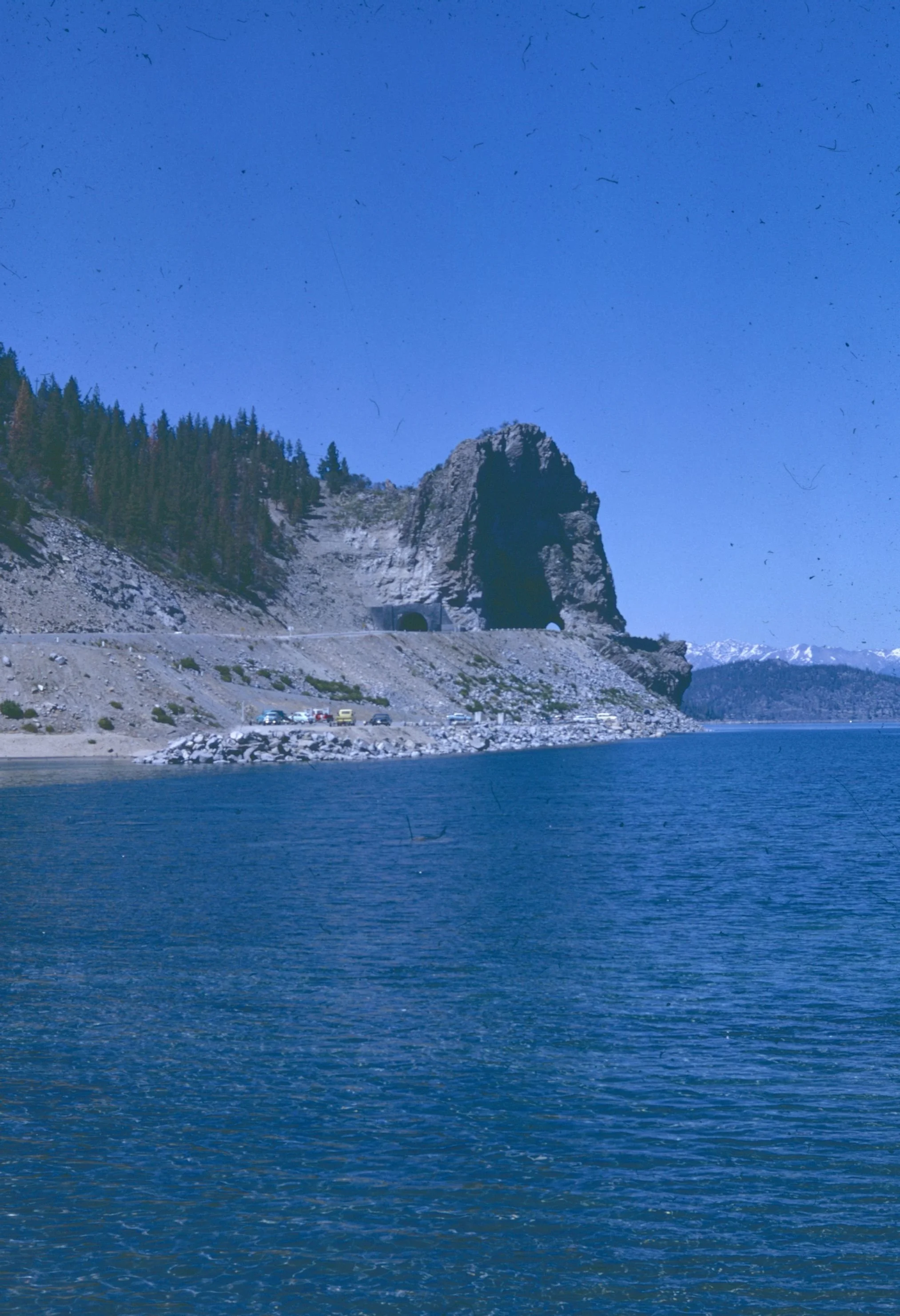
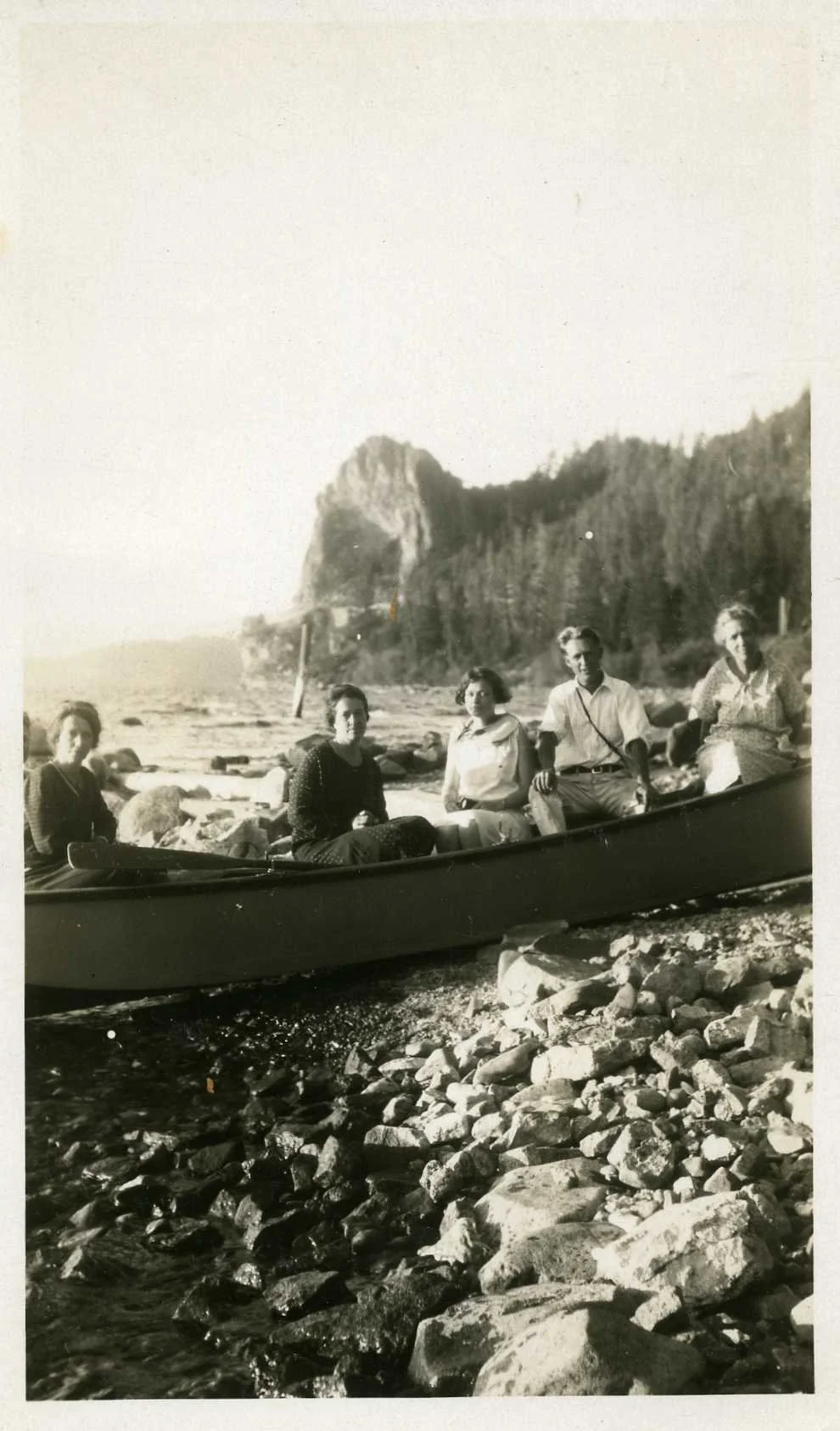
The land directly surrounding Cave Rock and the adjacent shorelines belonged almost entirely to William “Bill” S. Bliss and the Bliss family's corporate logging and transportation giant, the Carson and Tahoe Lumber and Fluming Company.
The Post-Logging Sell-Off: After the Comstock logging era wrapped up, Bill Bliss and his family actively began subdividing their massive lakefront acreage near Cave Rock and Glenbrook. They sold parcels off to the elite families and "swells" of Nevada to build early summer retreats.
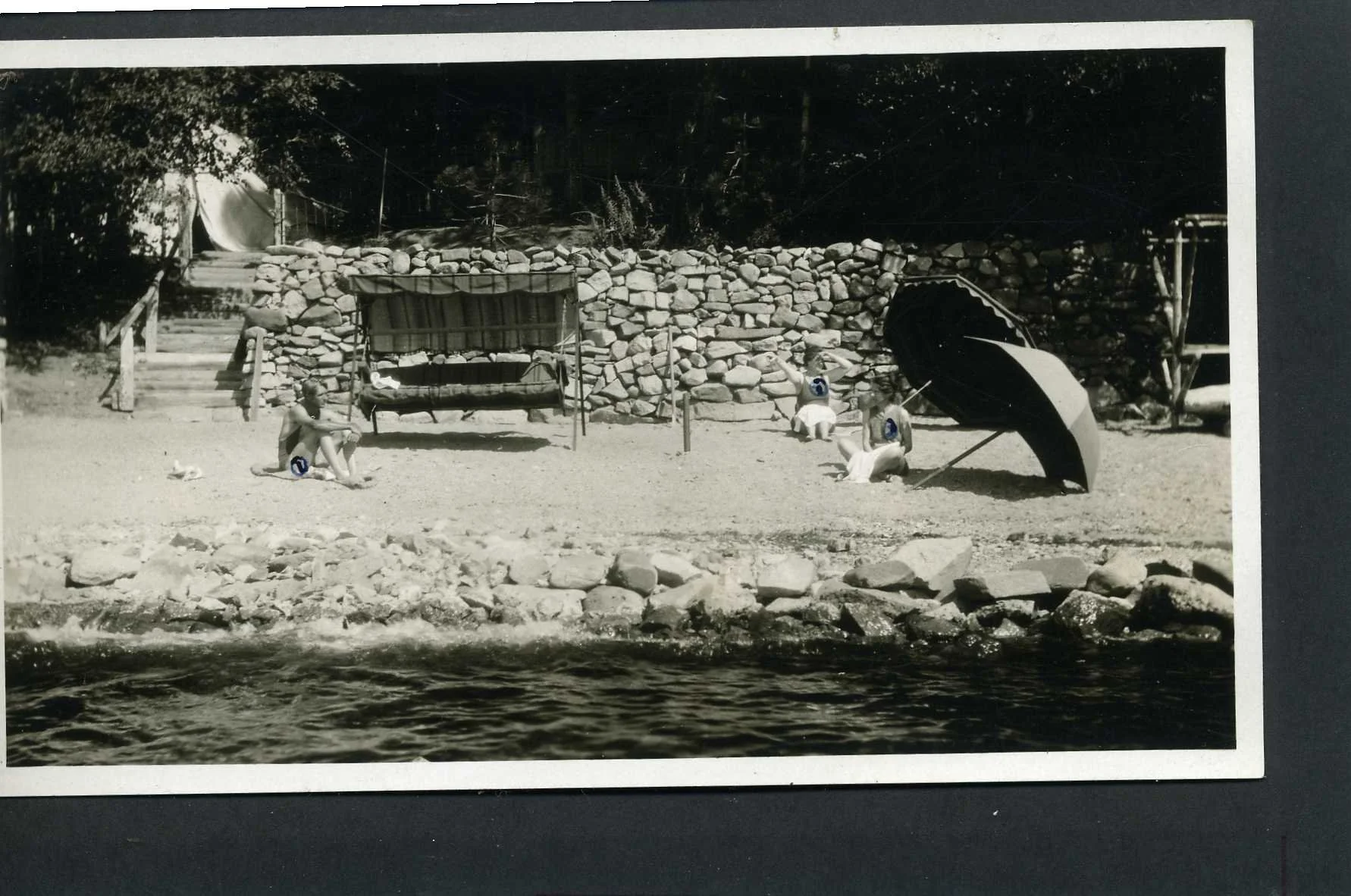
The Deal: Because our relative, William Maxwell Sr. was a legendary mining superintendent (running the Belcher Mine) and his son, William Maxwell Jr. was a former Nevada State Warden and a prominent local figure running the Arlington Hotel, they were in the prime social tier to purchase a direct slice of lakefront from Bill Bliss. Maxwell acquired this specific plot to build what became our family's lakefront legacy. Family lore has it that “Uncle Bill” bought the property directly from Duane Bliss rather than from the Carson and Tahoe Lumber and Fluming Company.
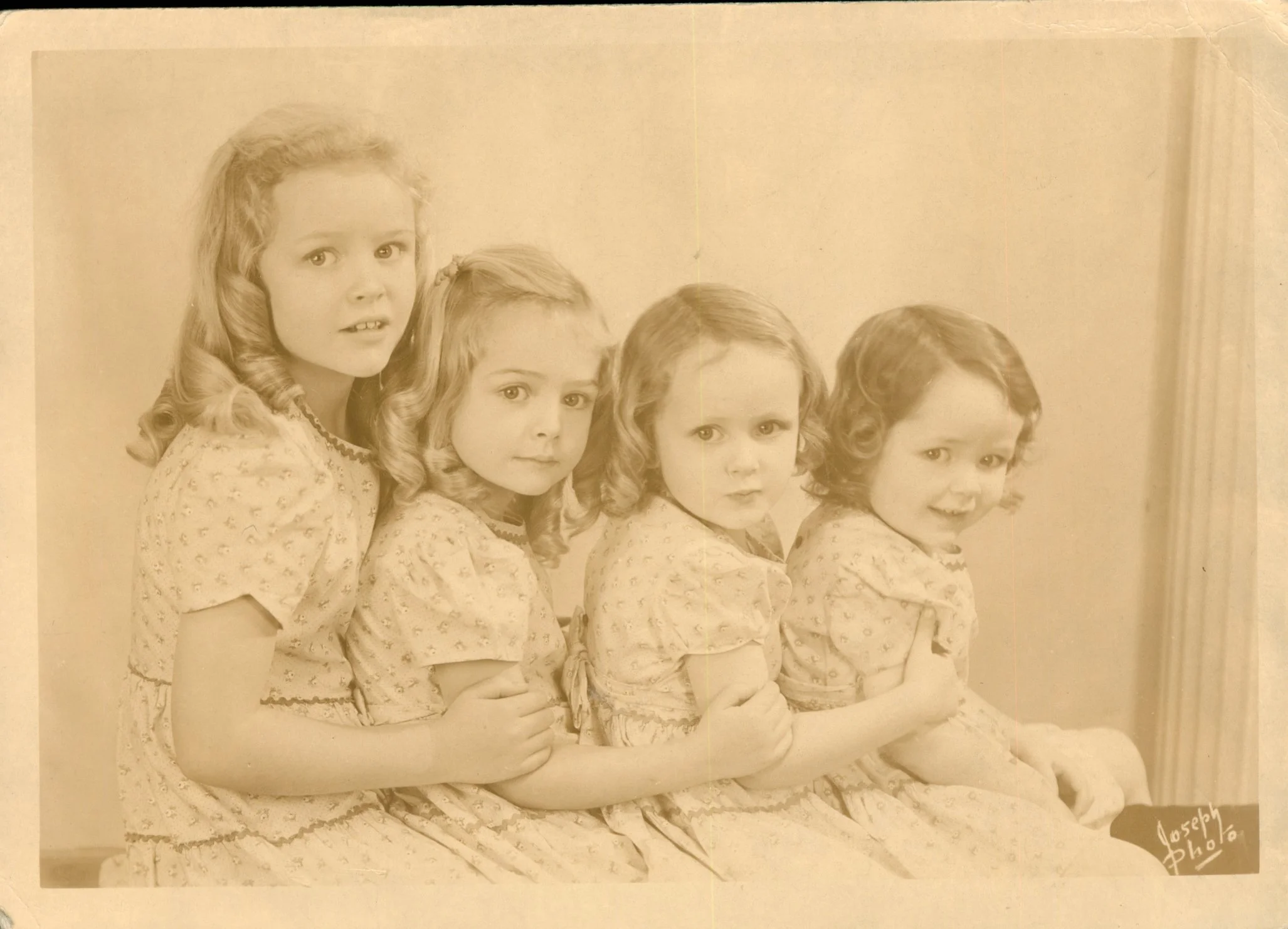
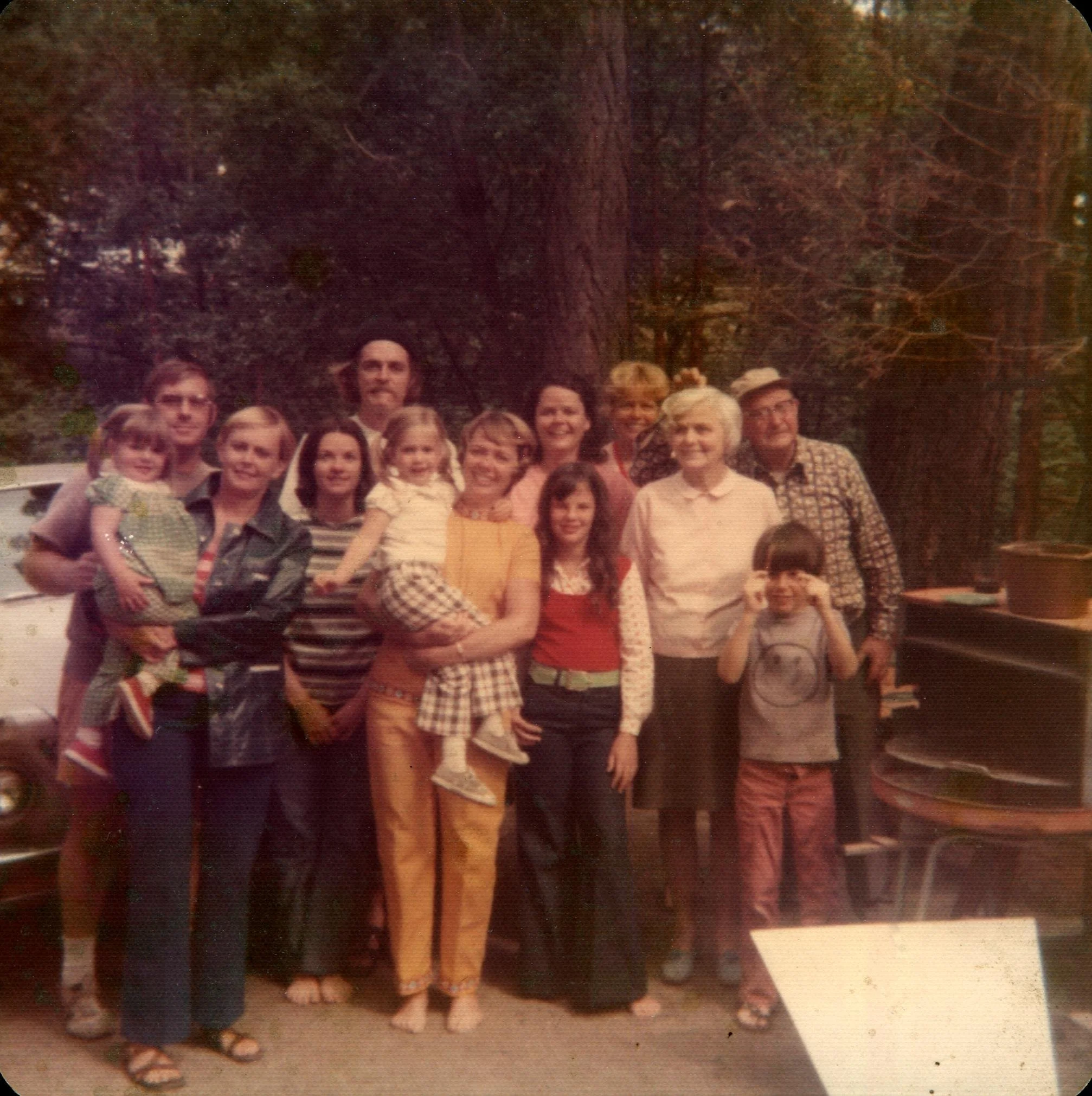
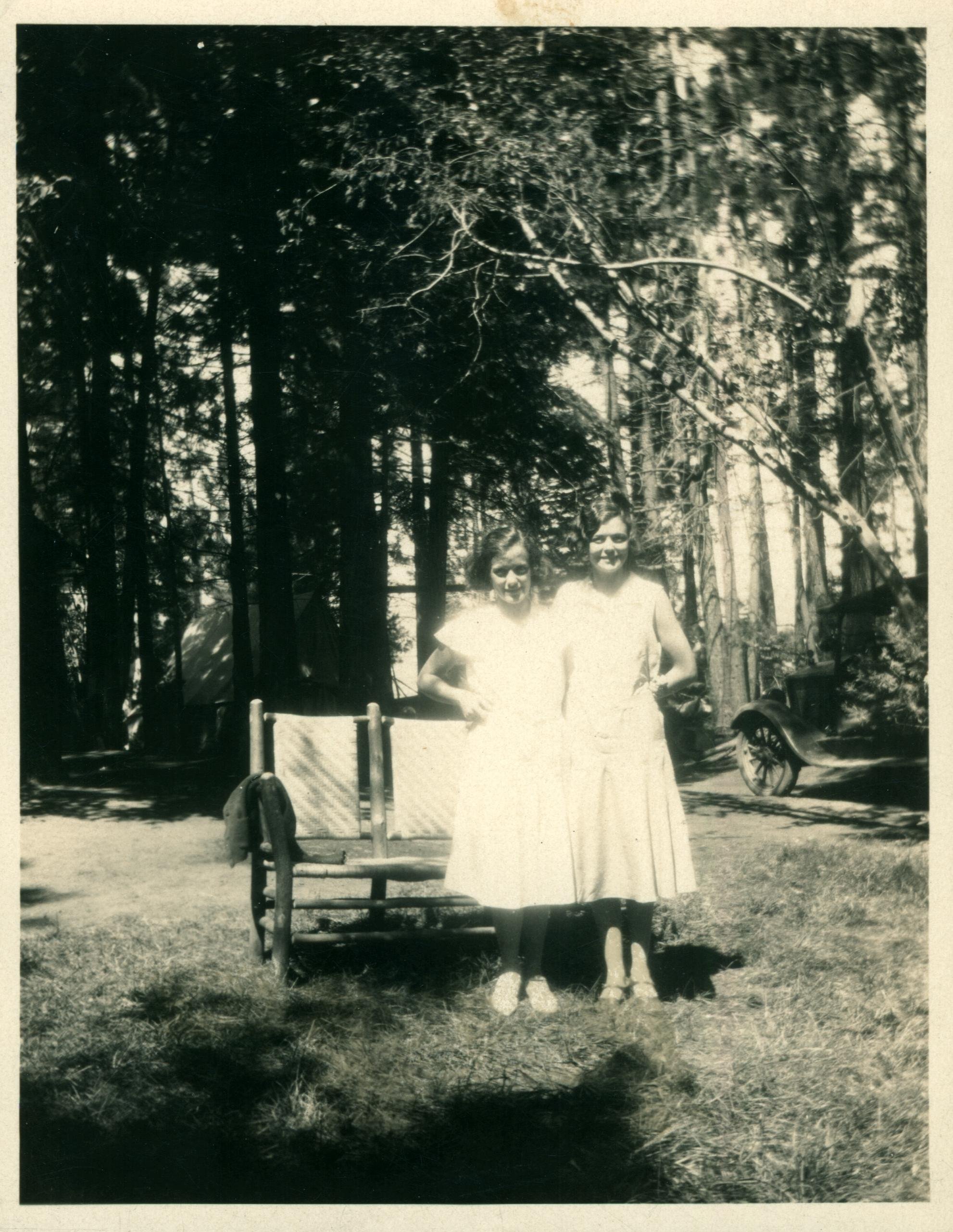
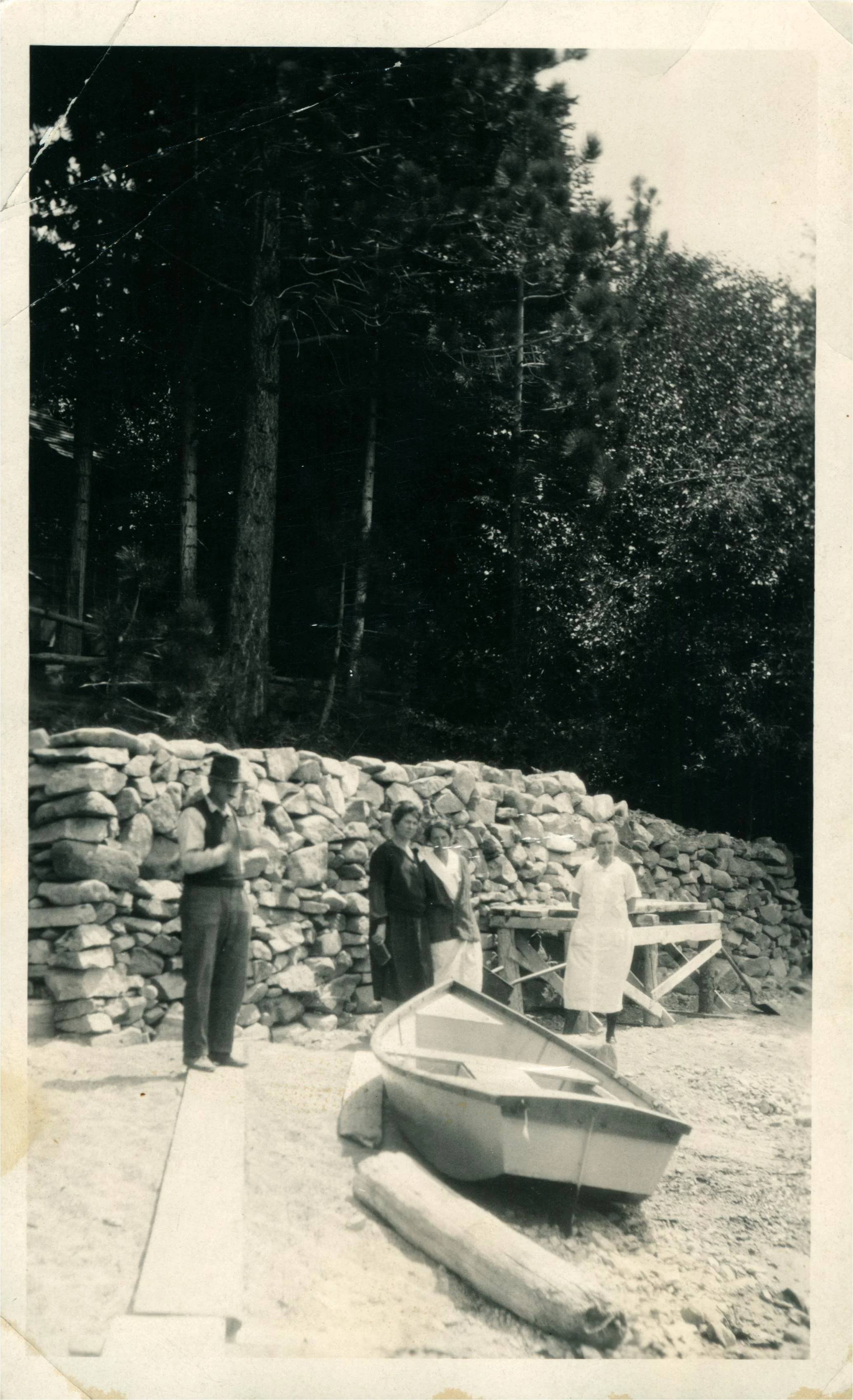
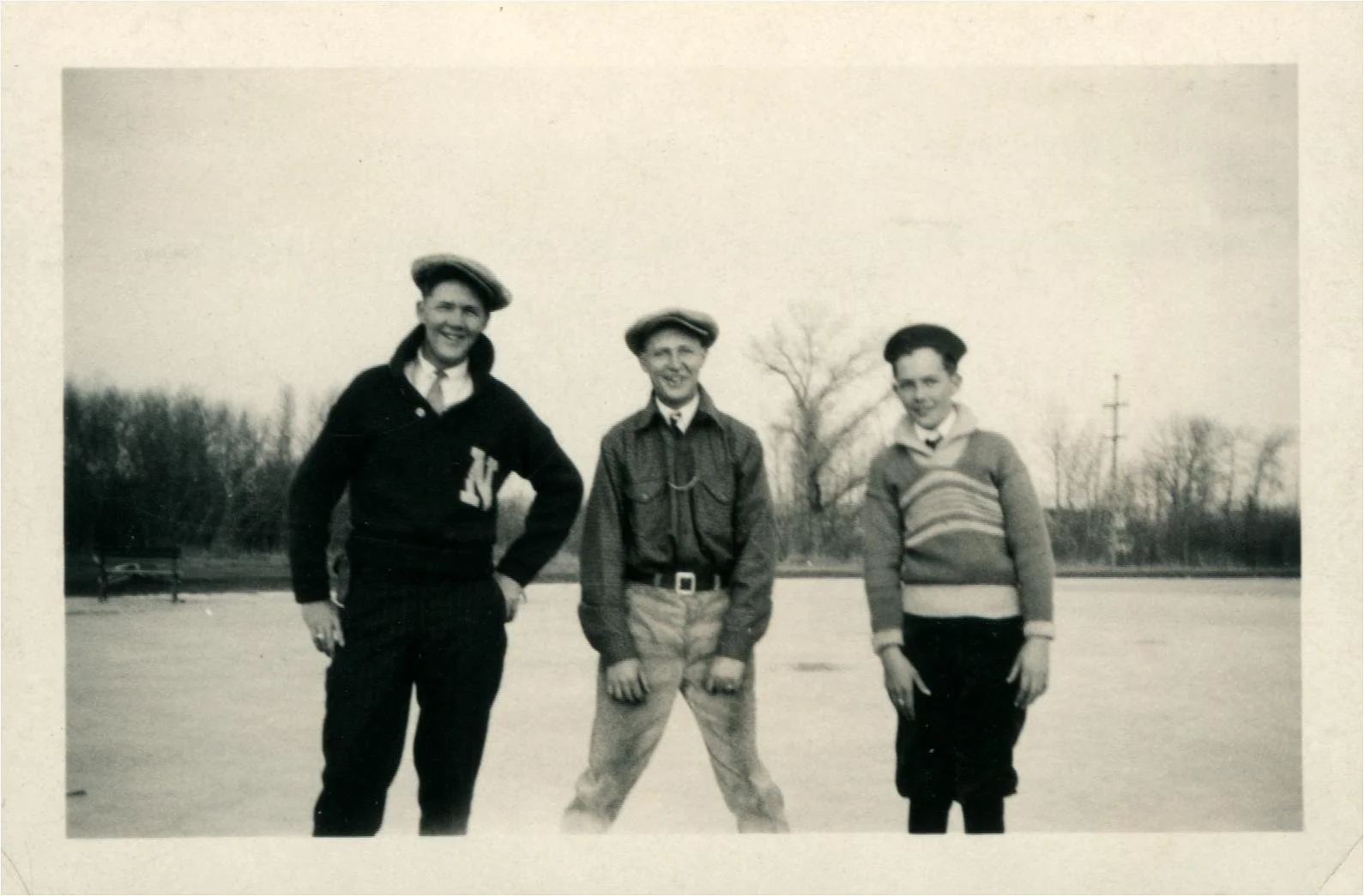
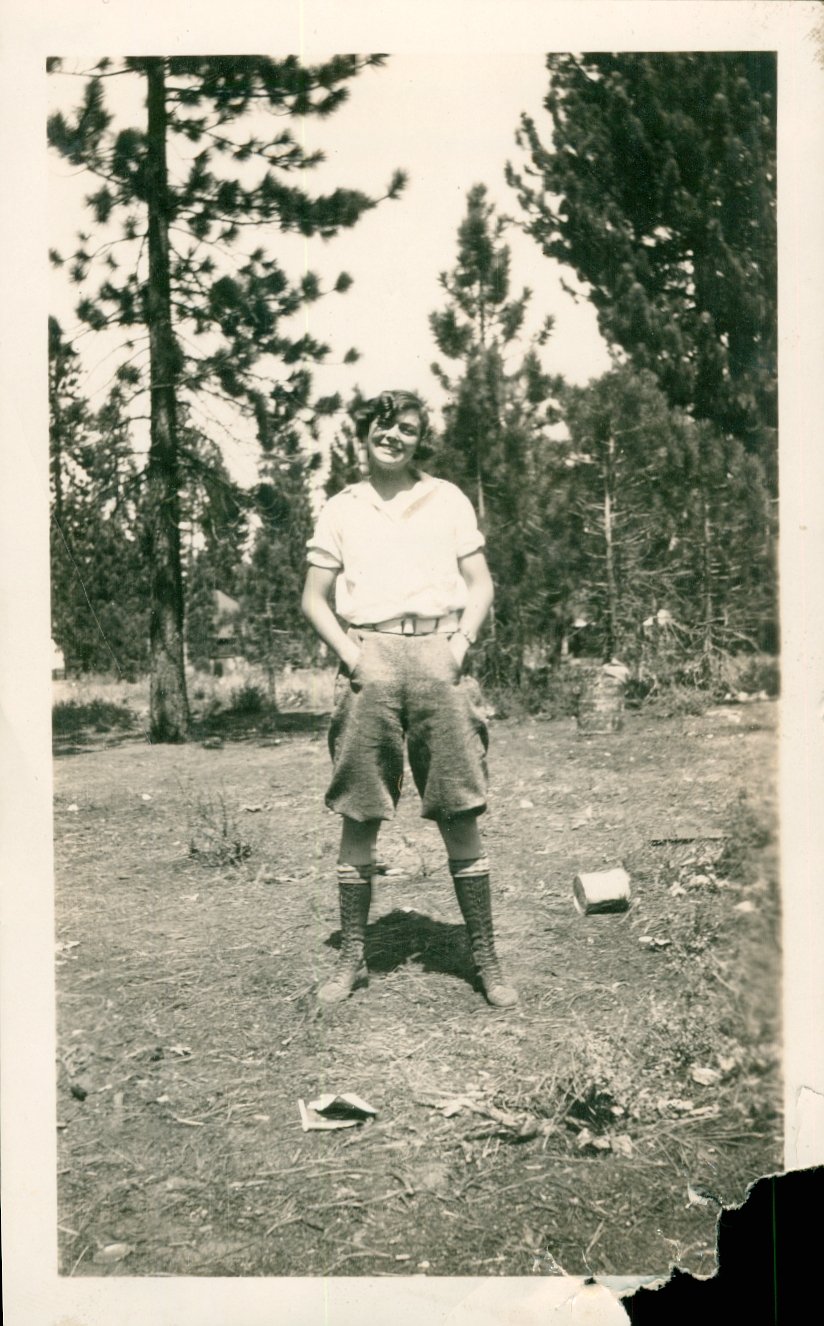
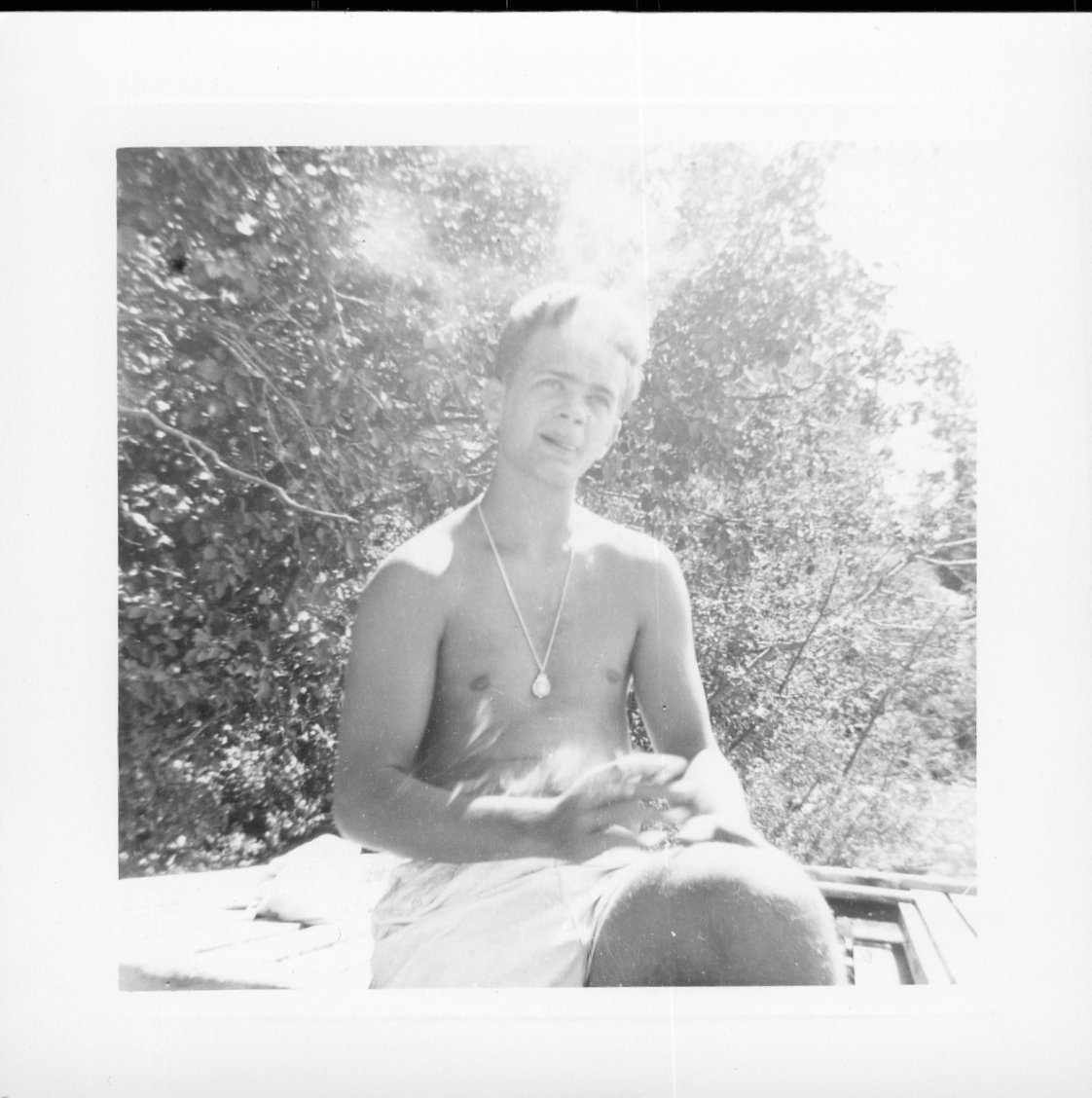
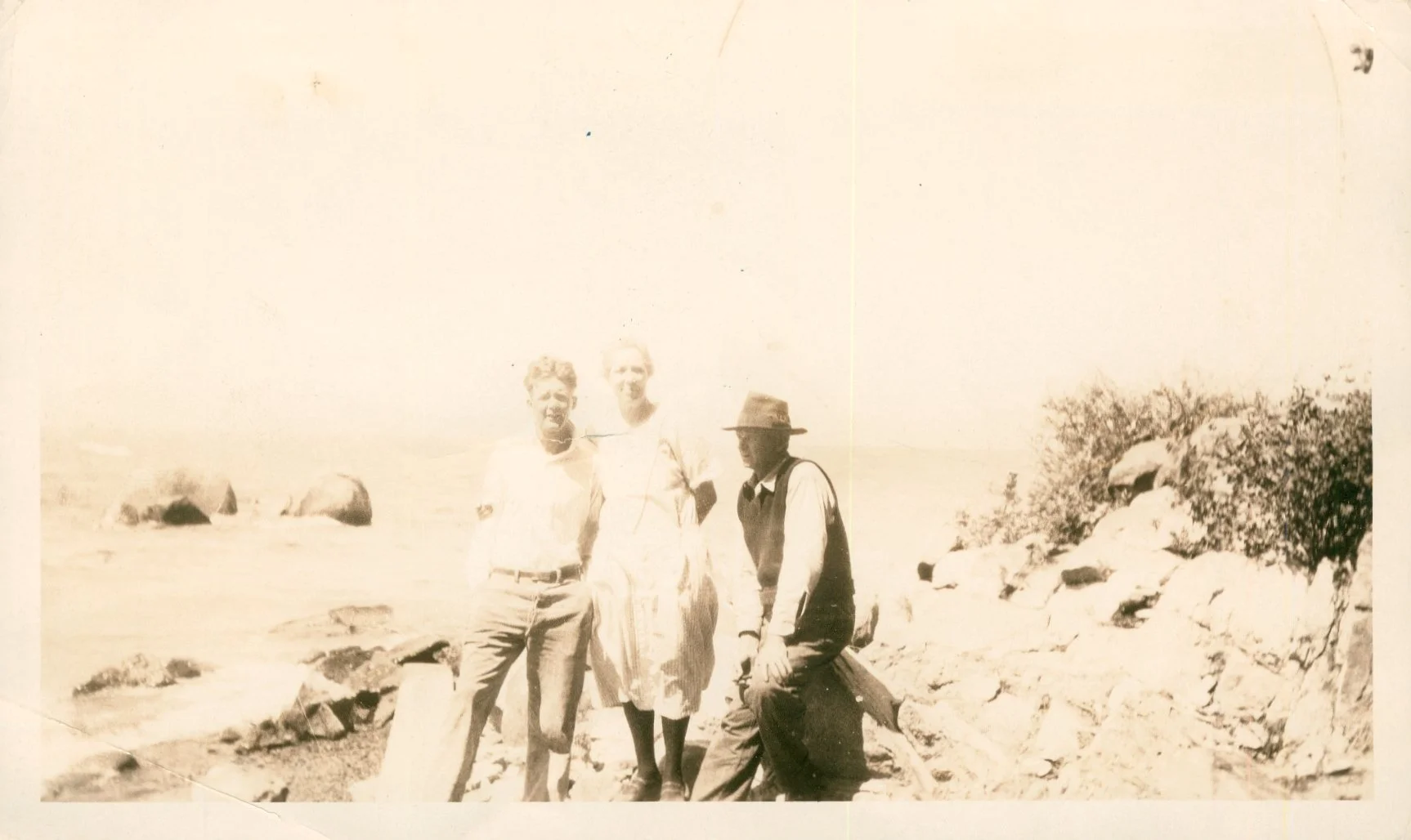
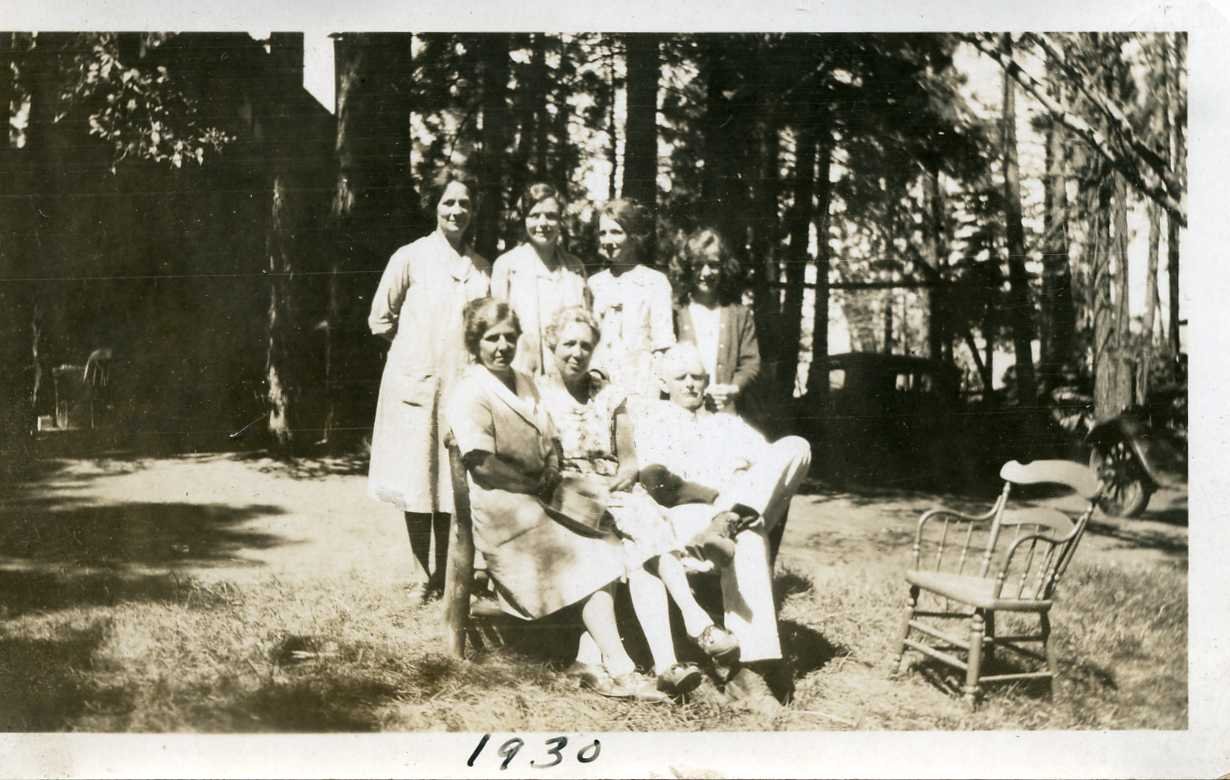
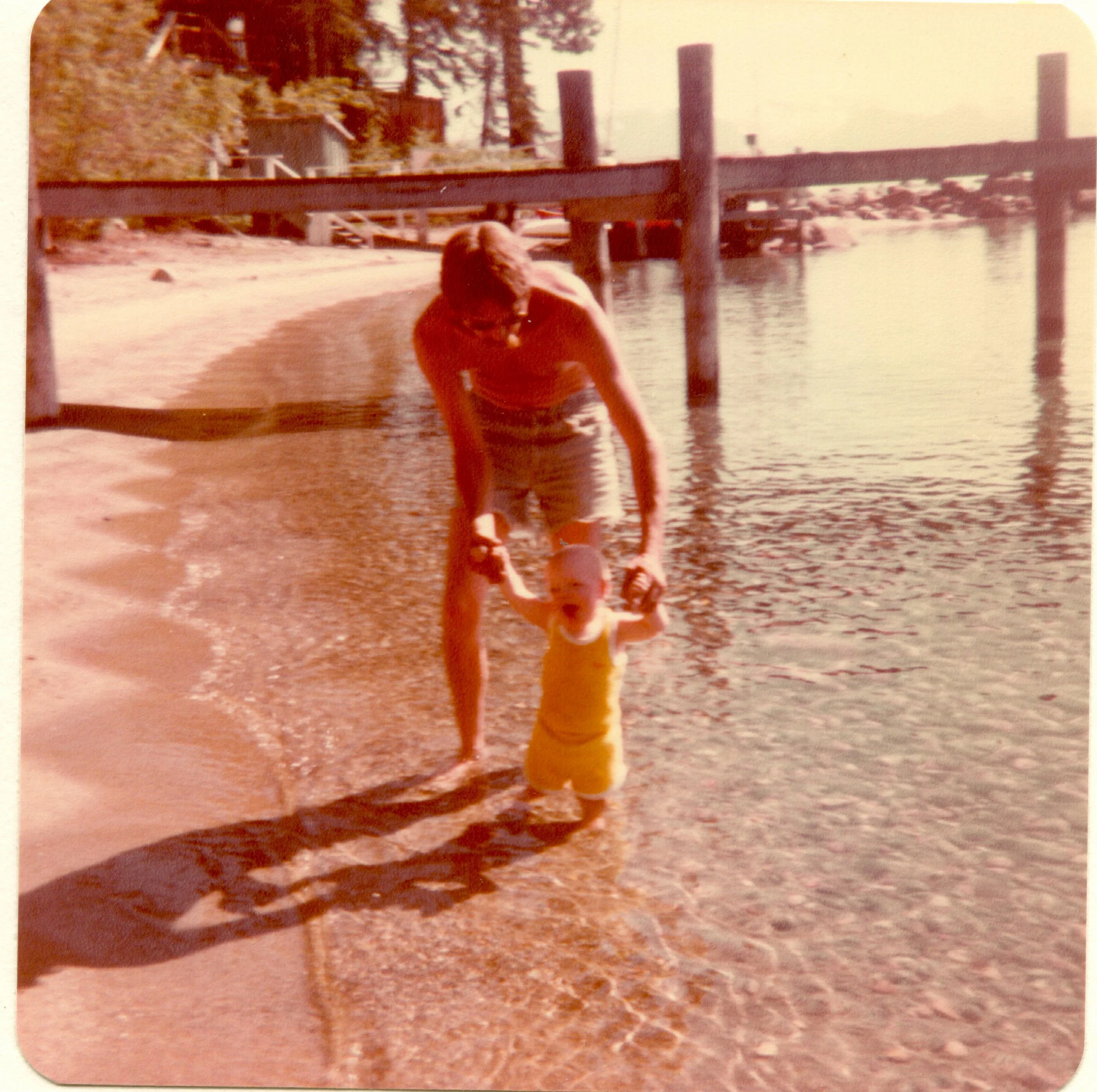
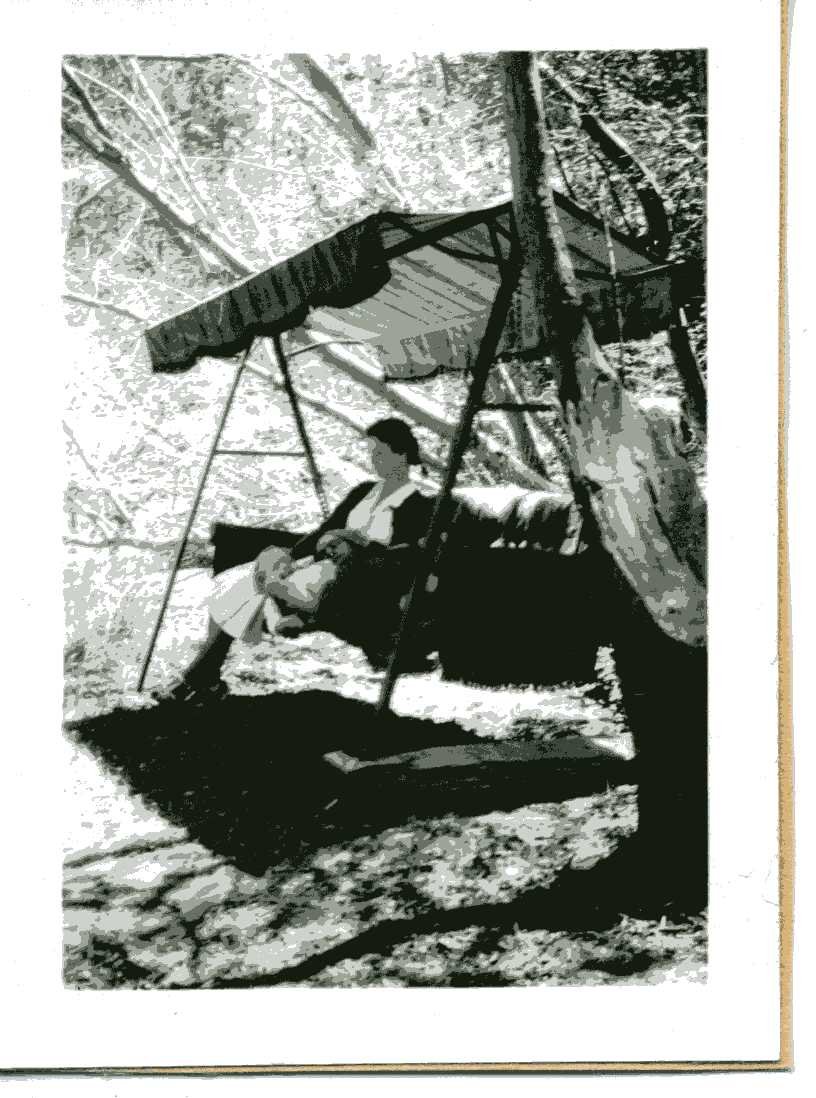
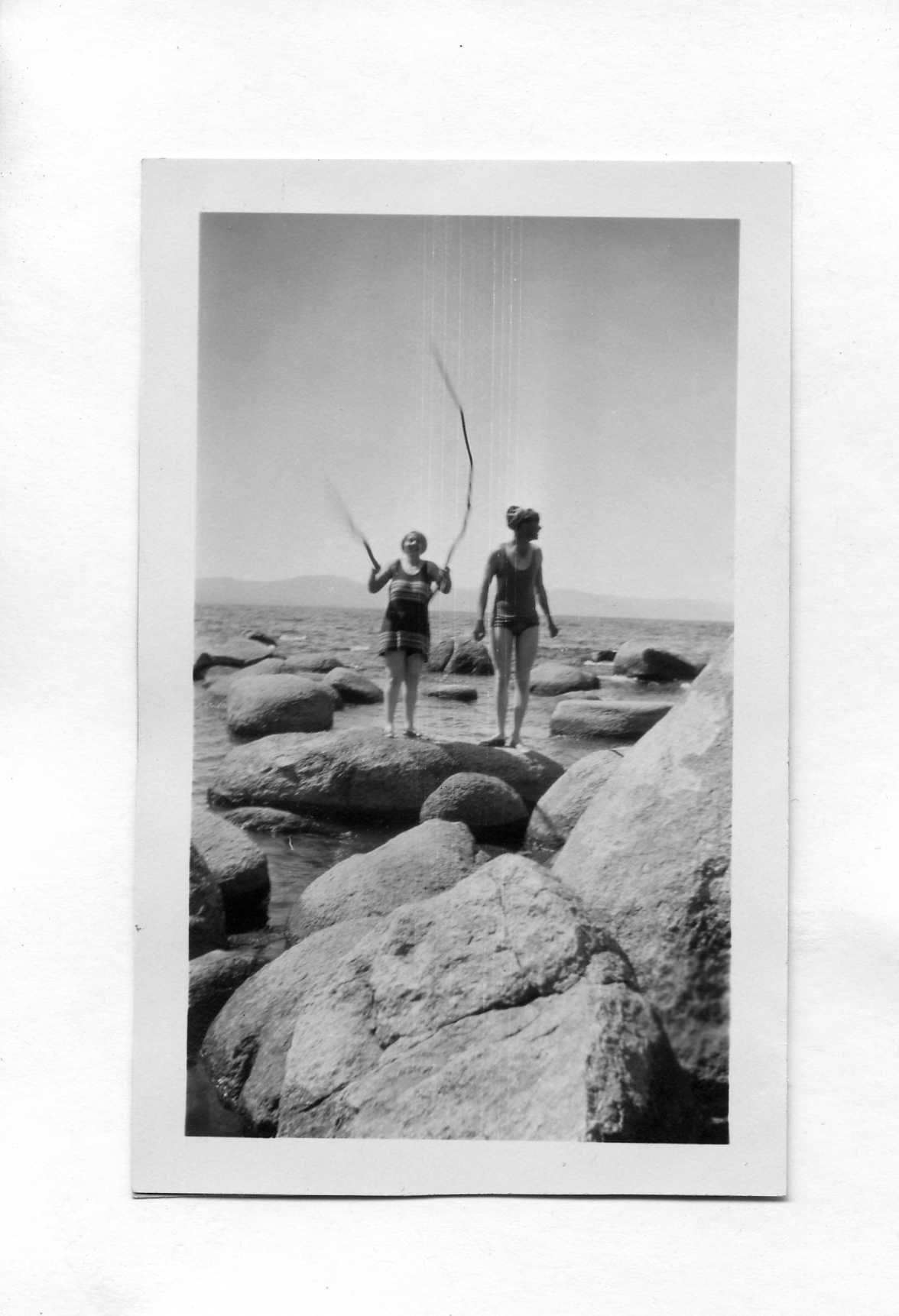
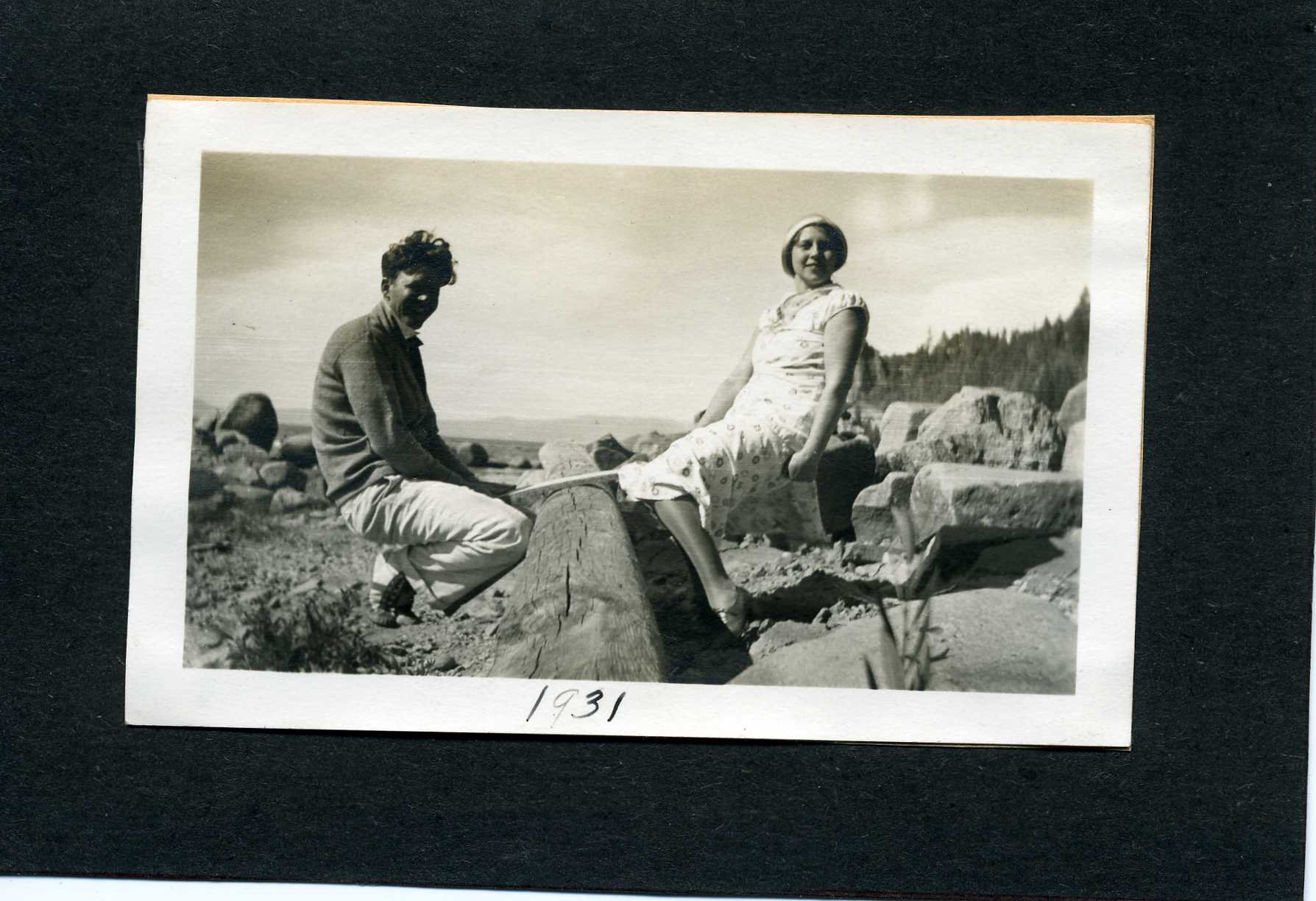
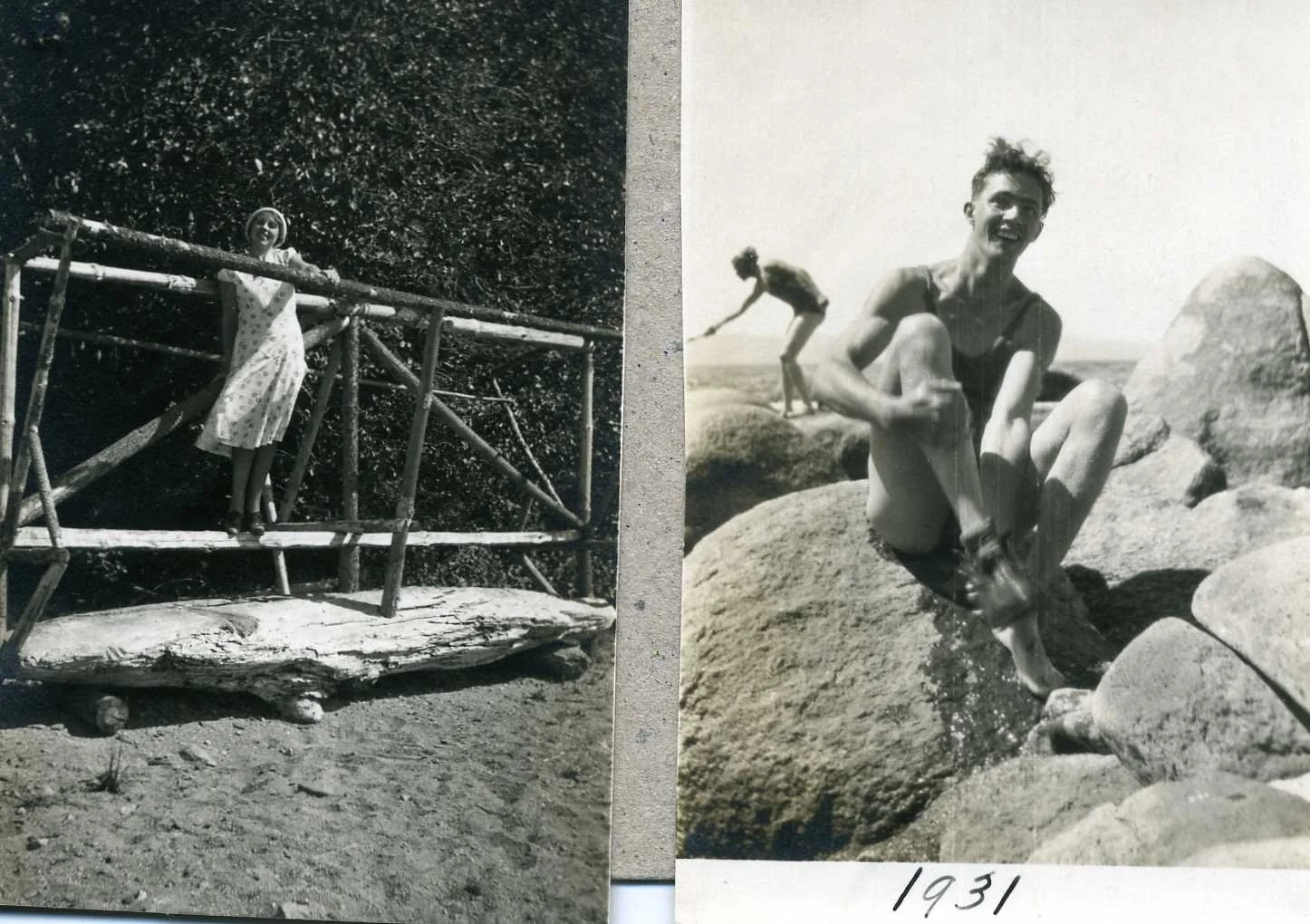
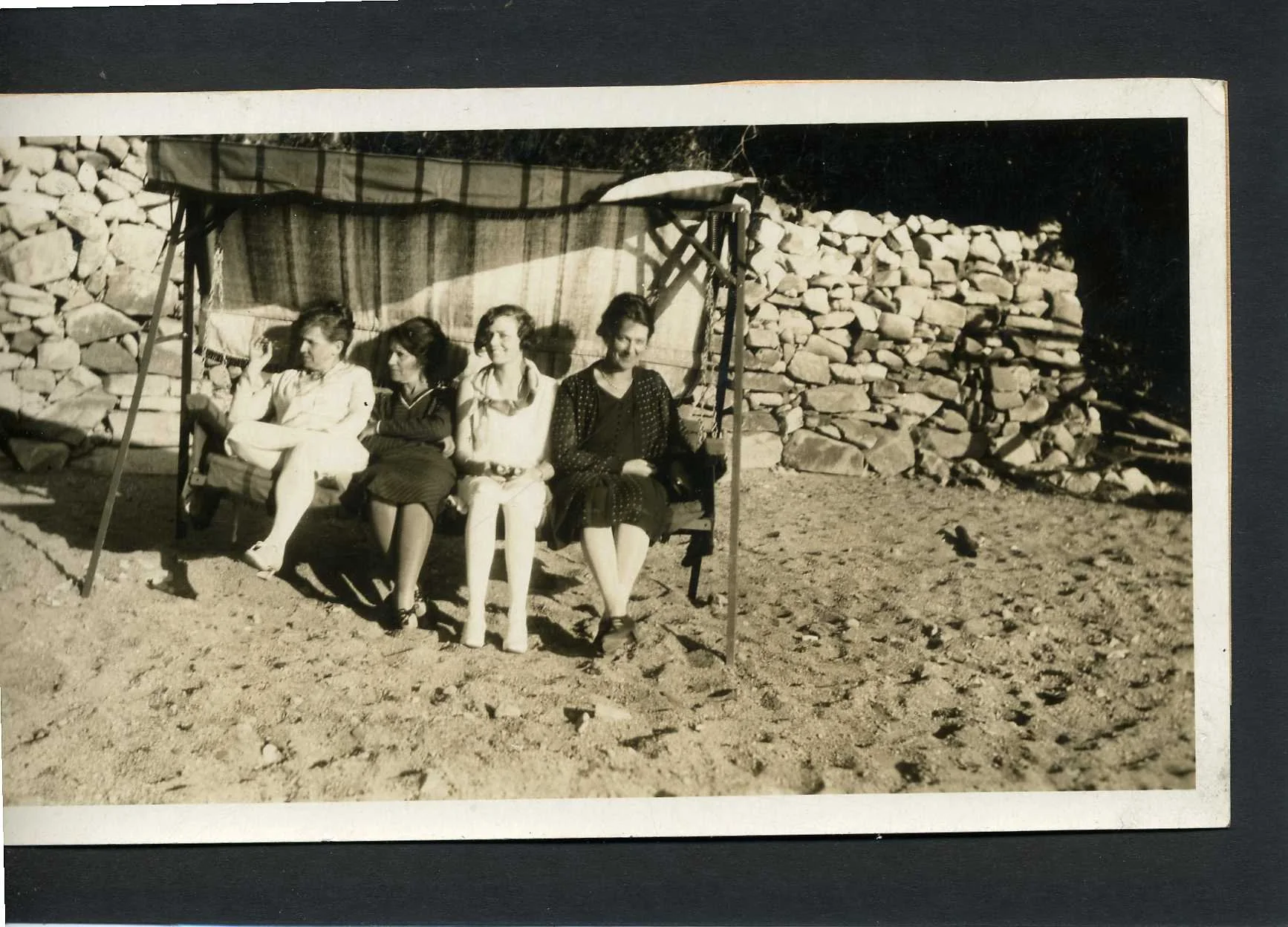
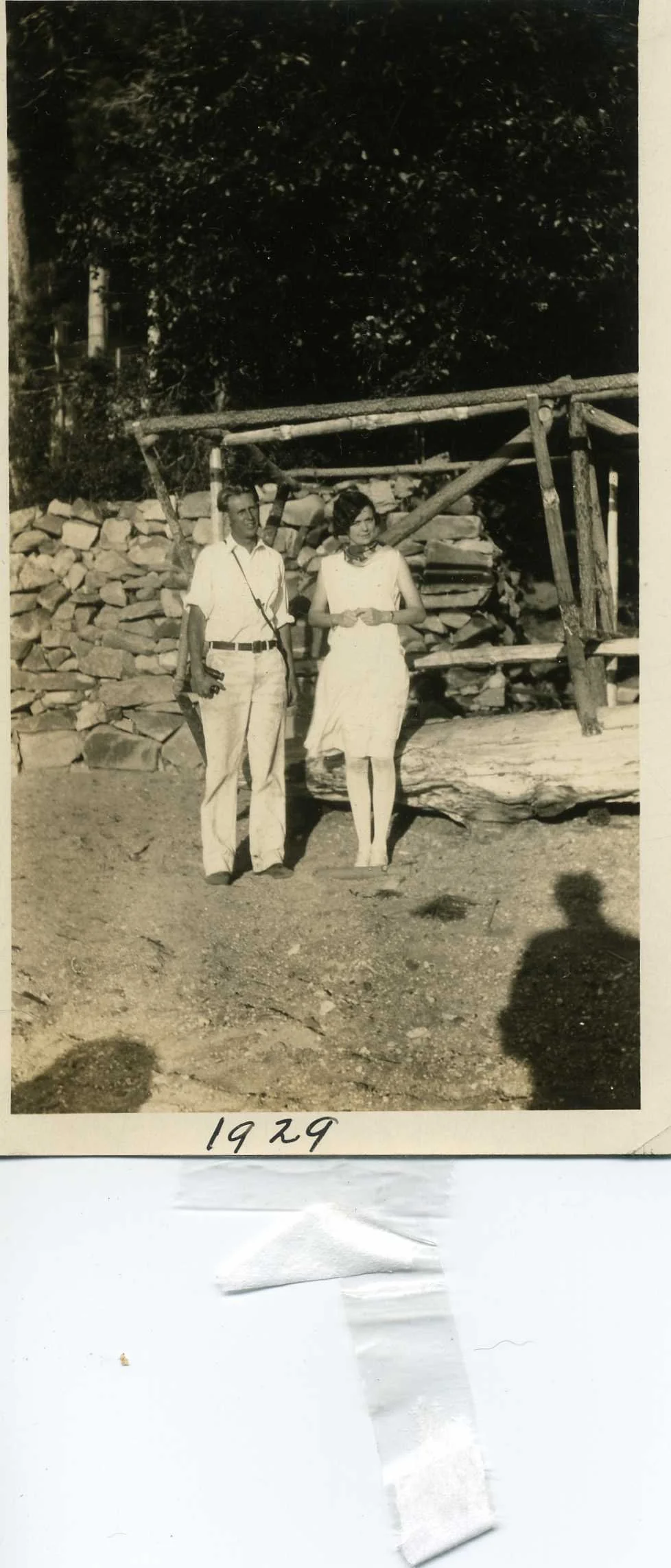
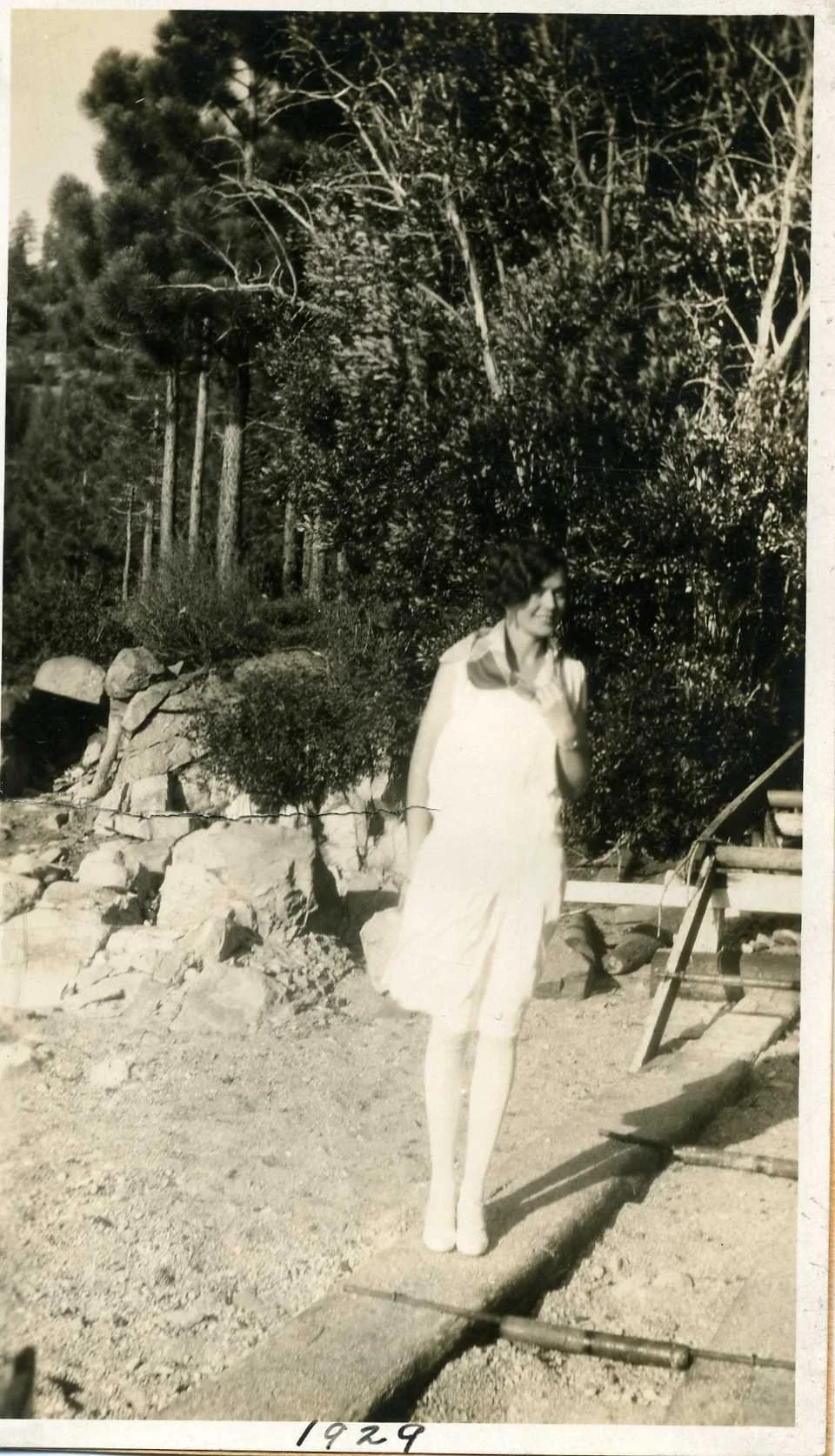
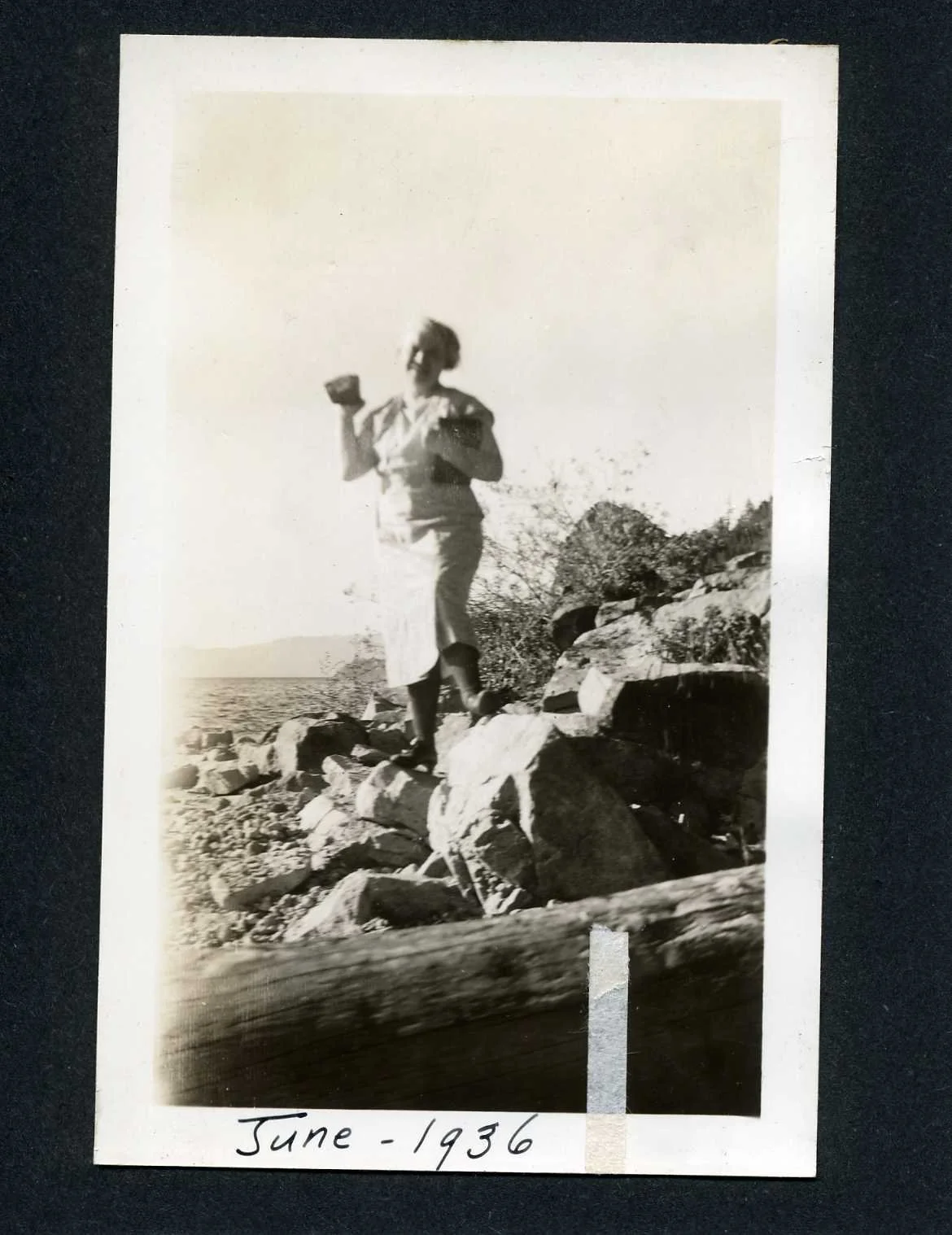
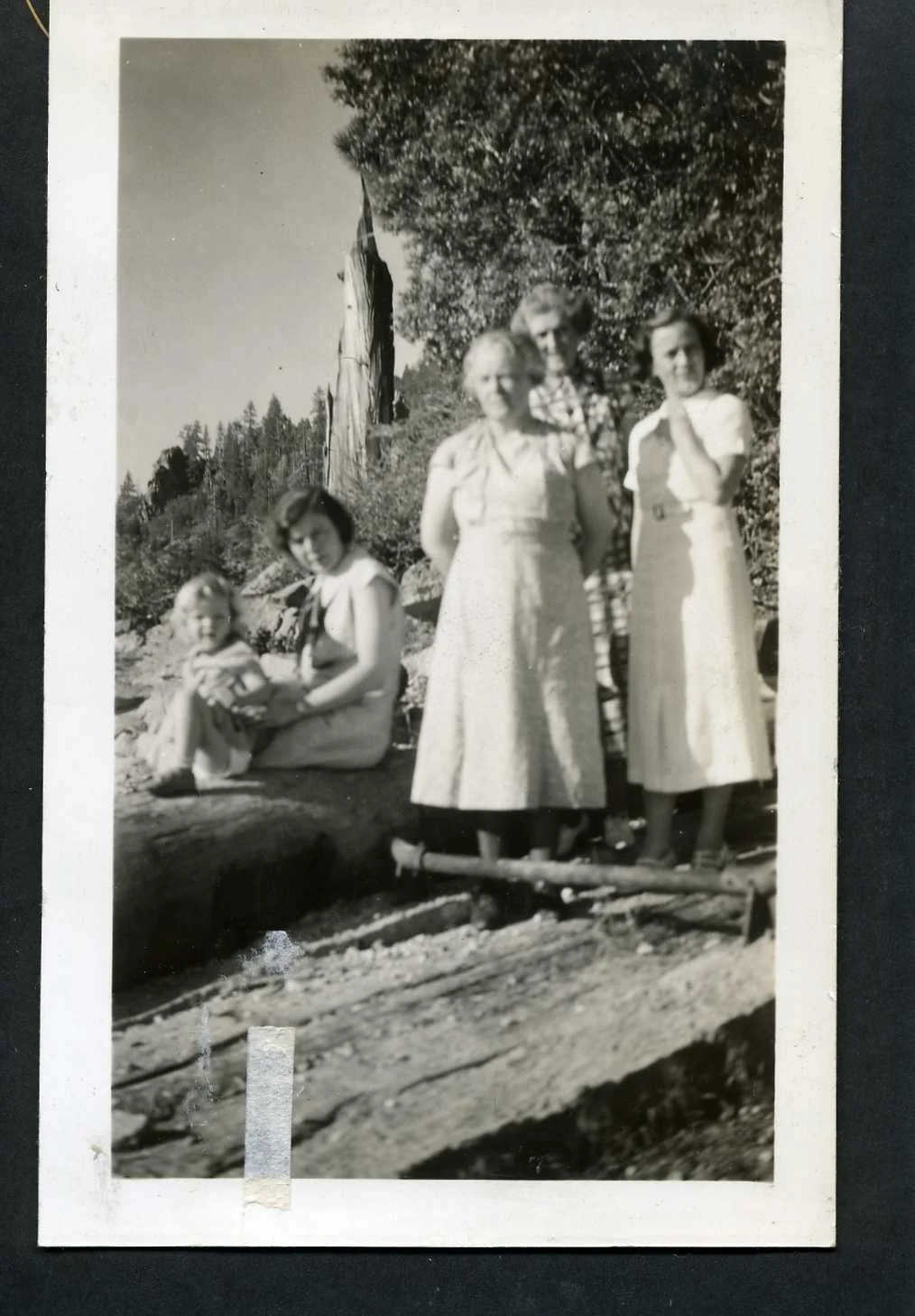
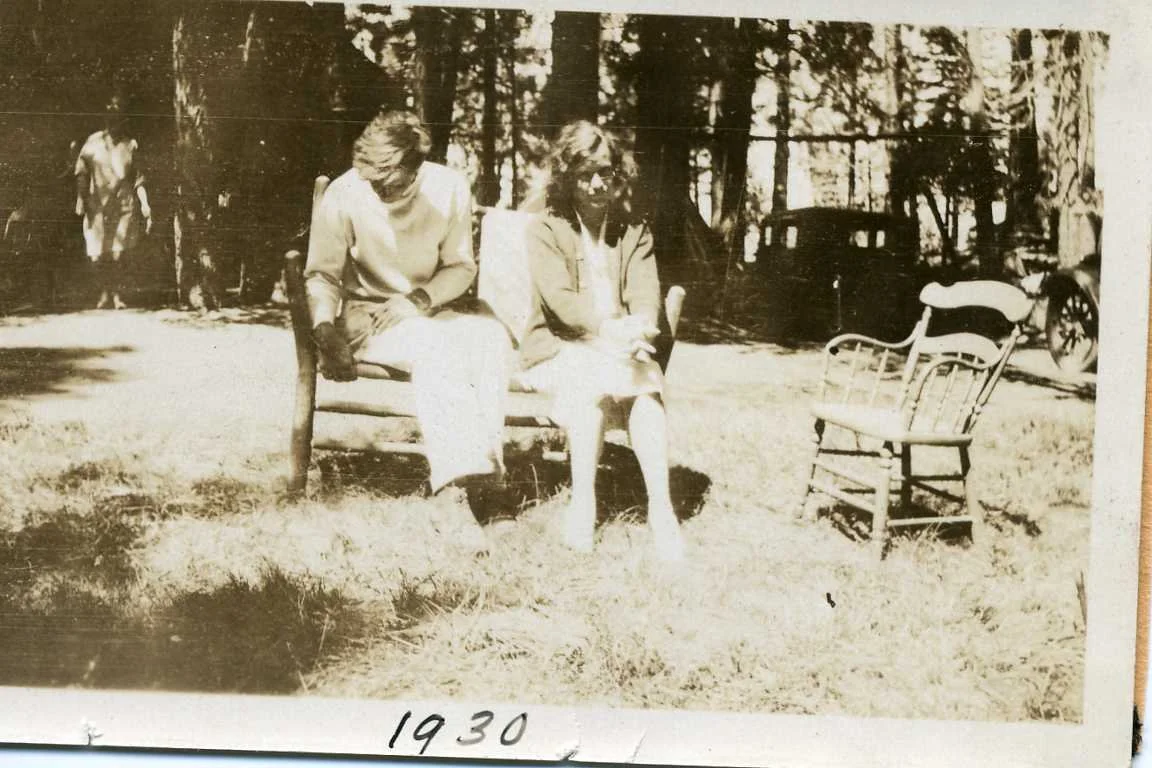
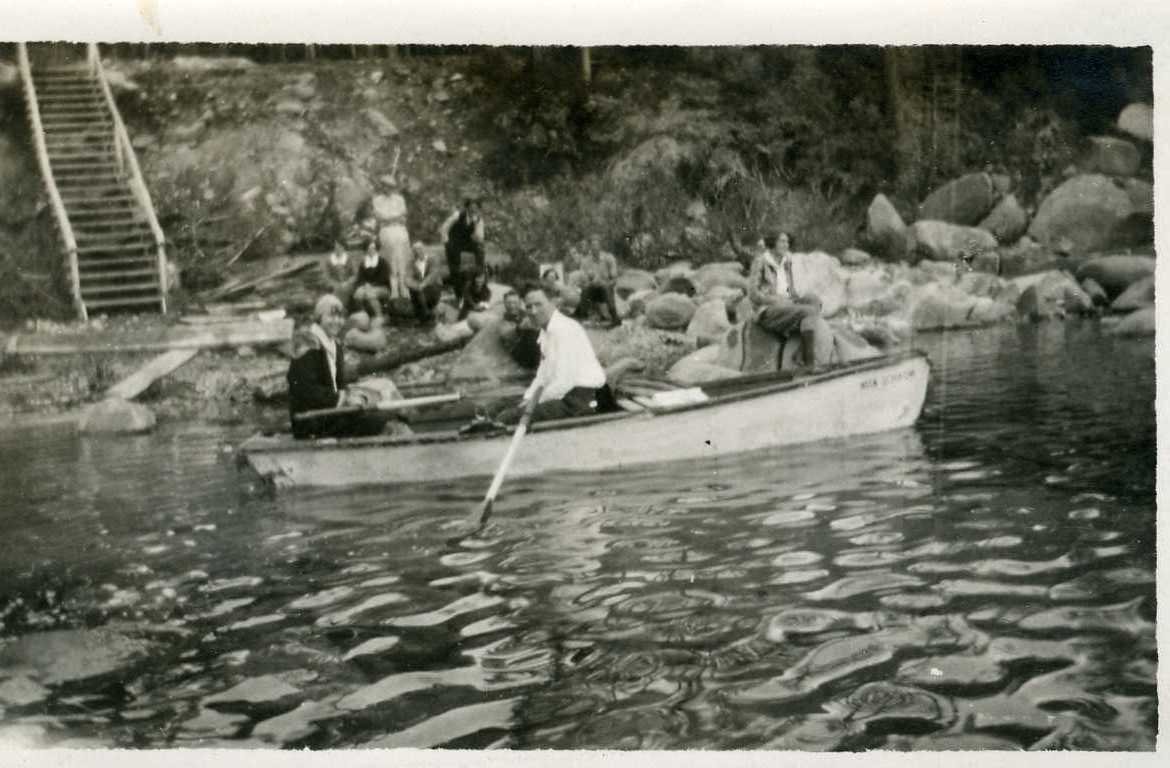
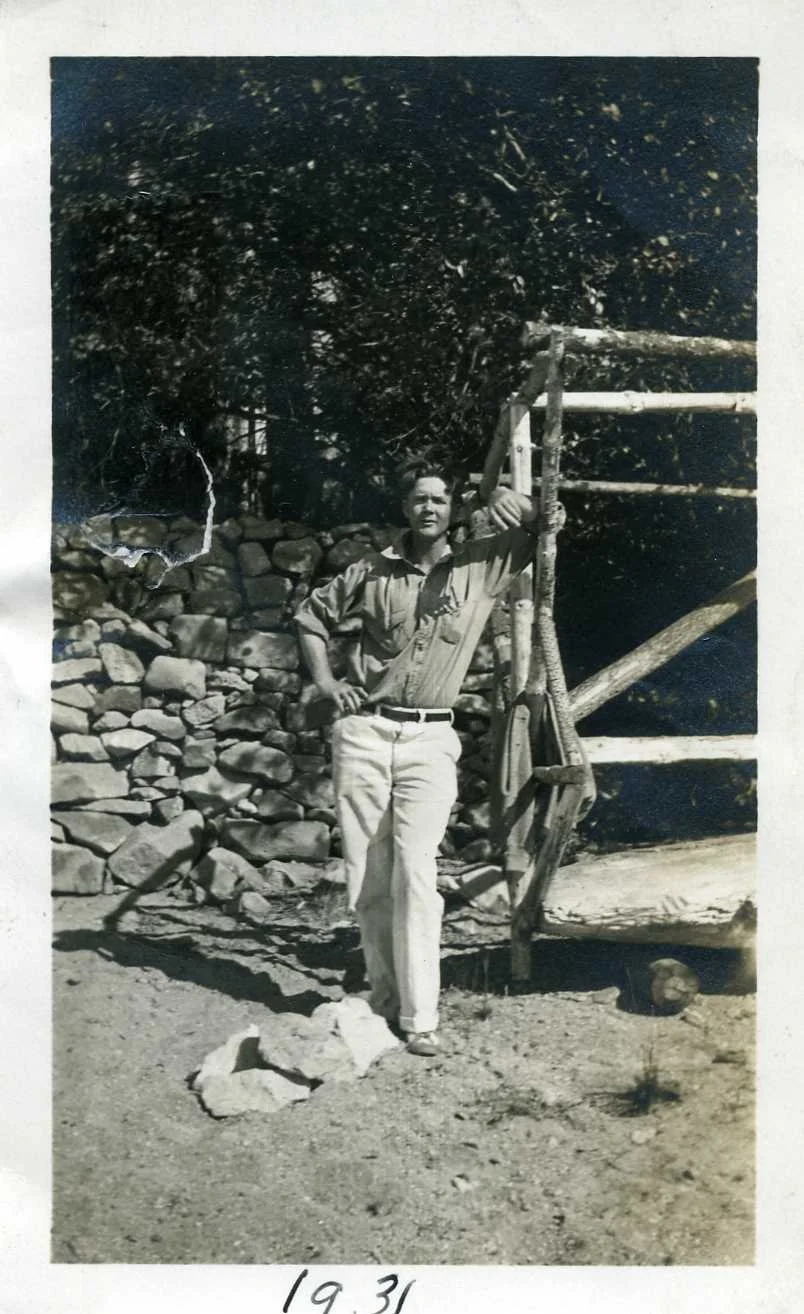
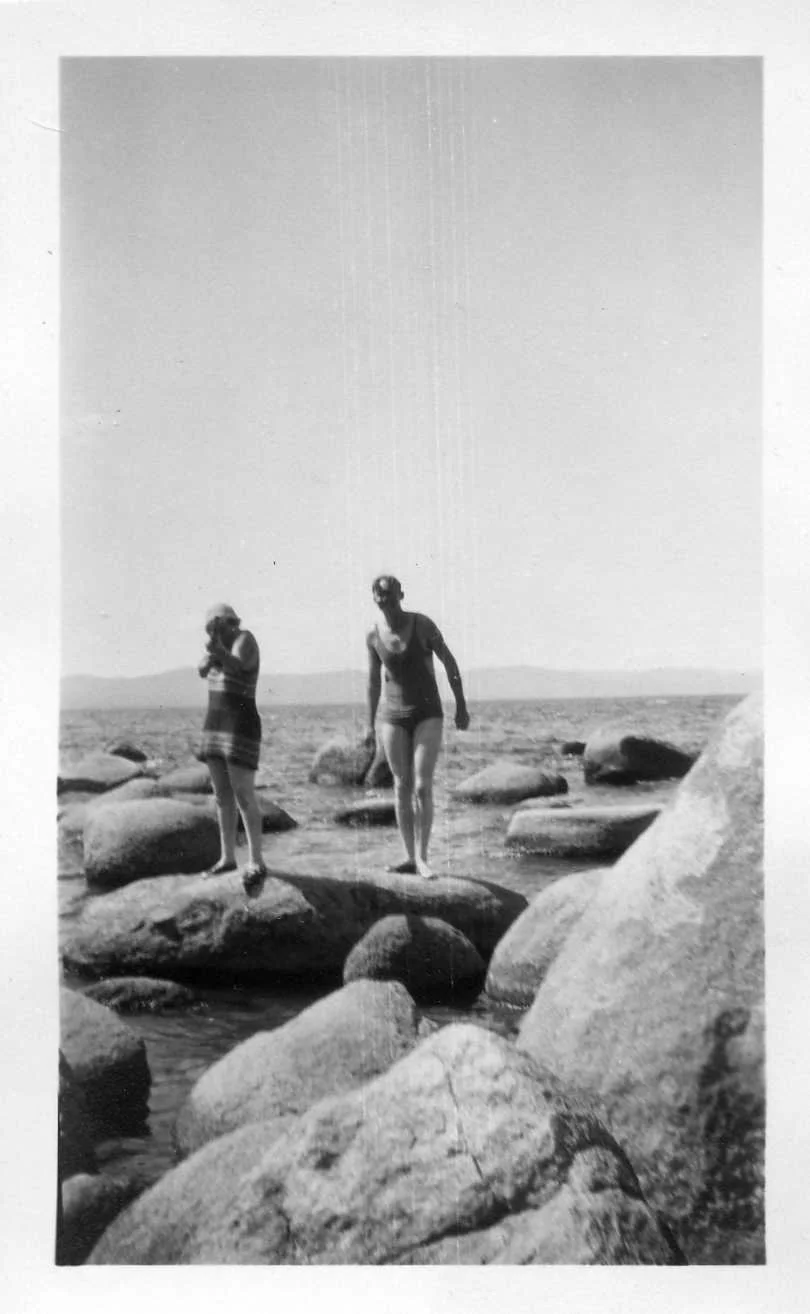
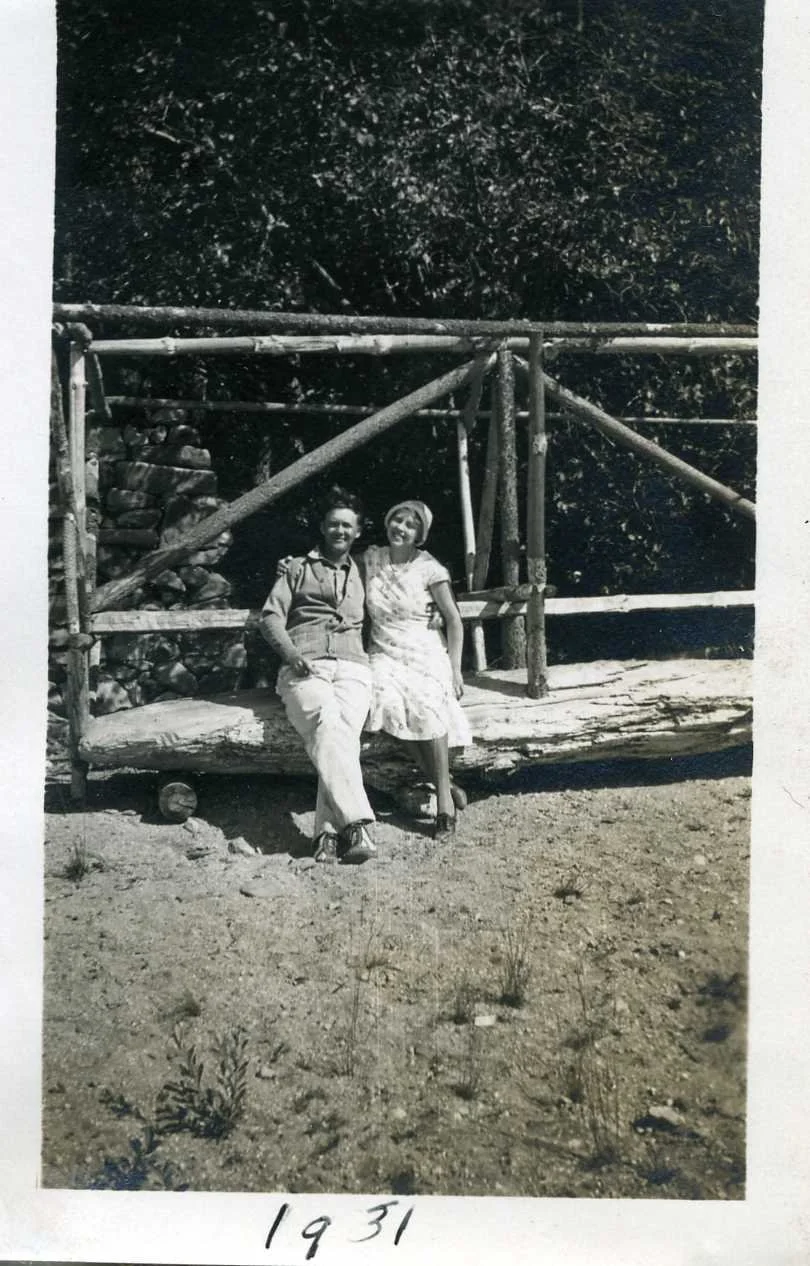
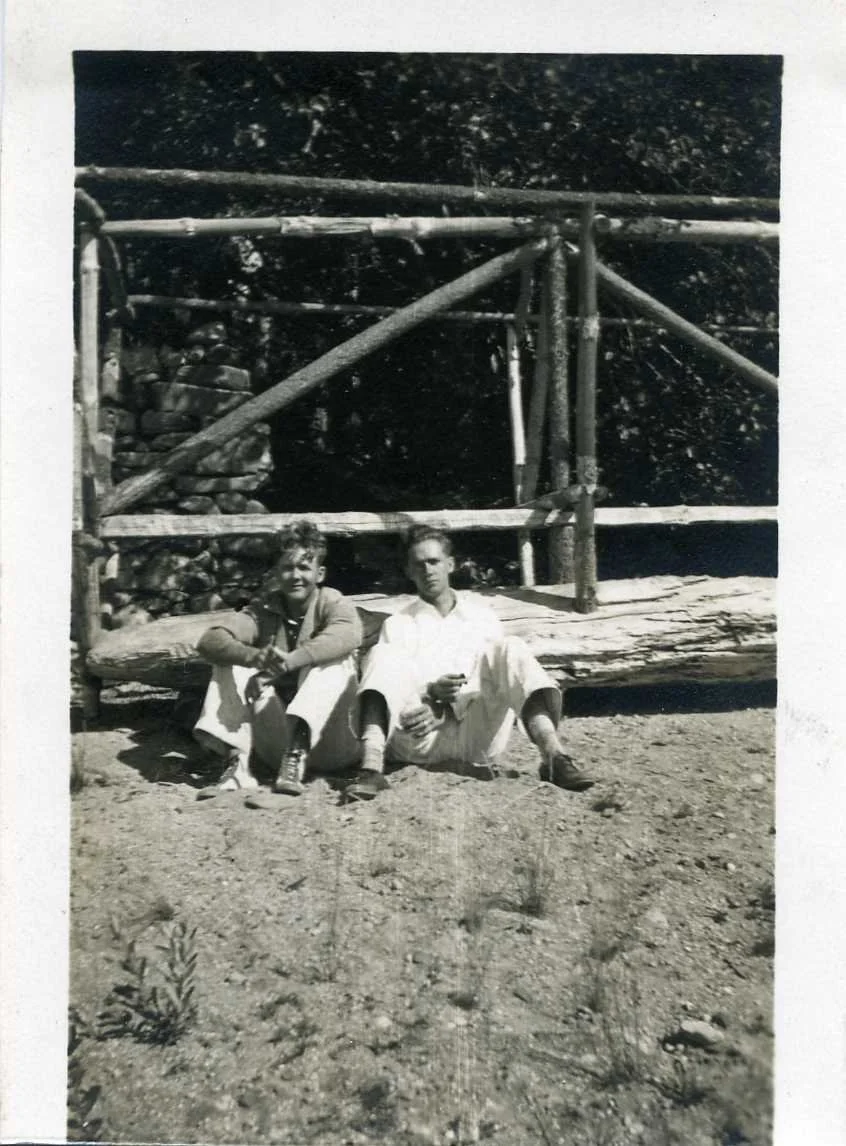
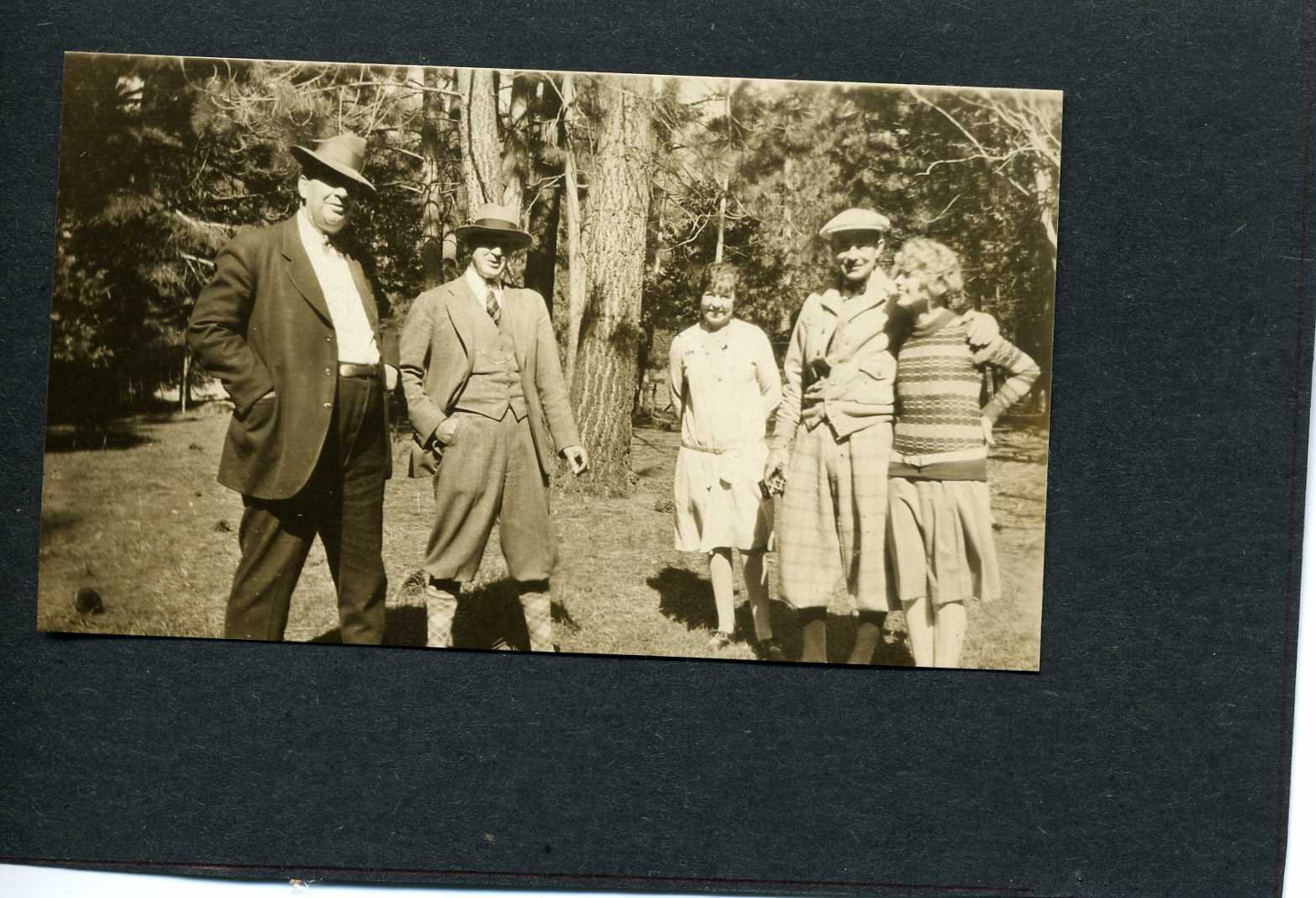
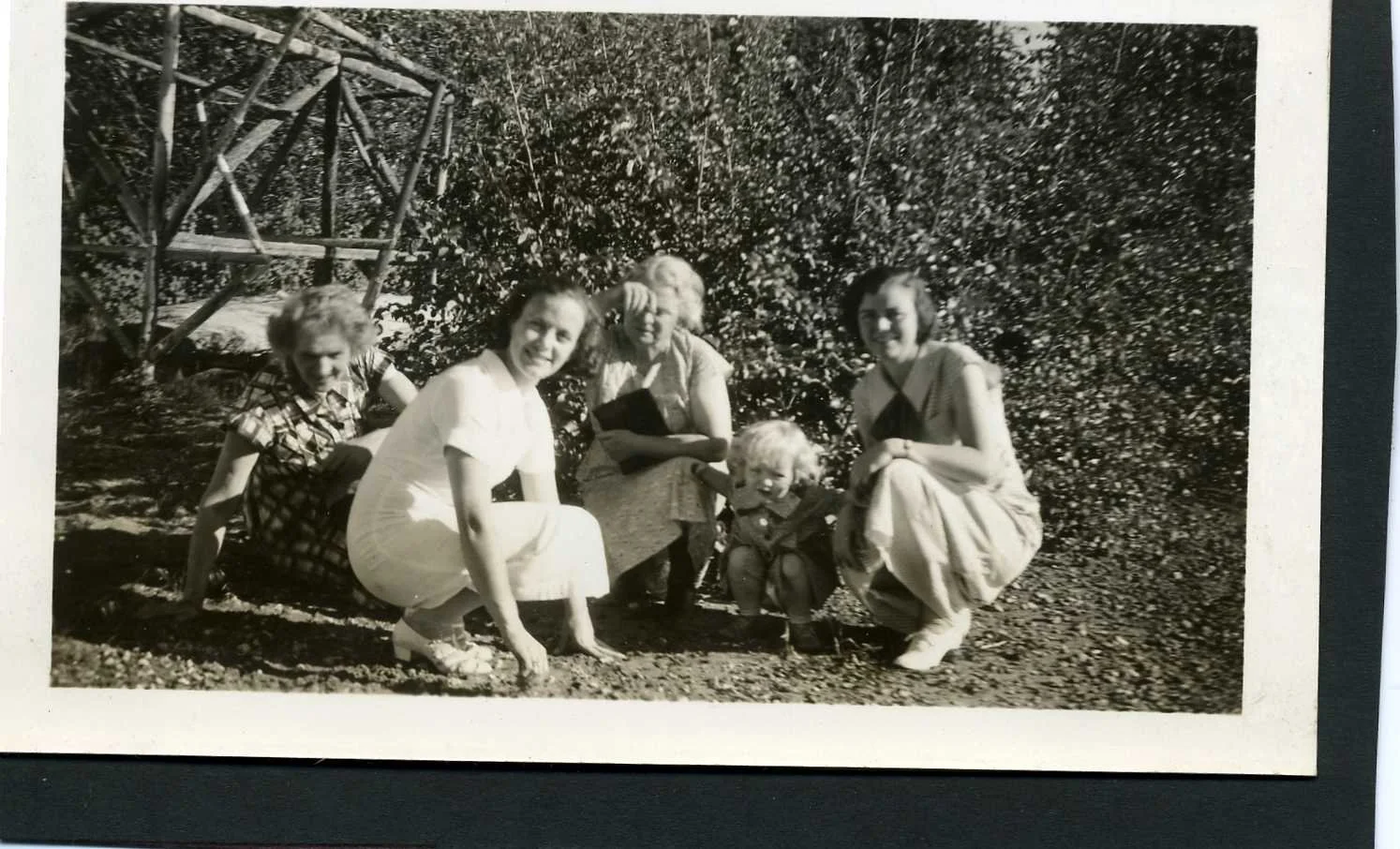
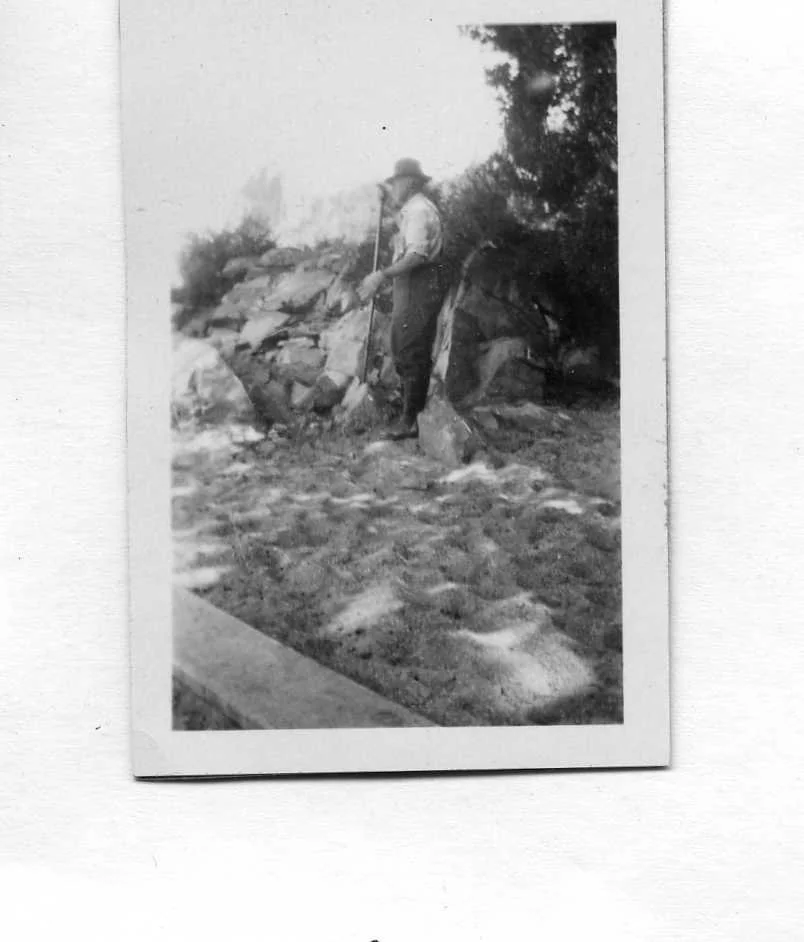
How we came to Tahoe: William J Maxwell Jr. built our current Little Red Cabin in 1920. He and is wife, Amelia Irene Brougher (Irene) had no children as she died shortly after their marriageof ptomaine poisoning in San Francisco. His siblings Agnes, Agatha who were spinsters, inherited from him and then through them the patriarch of our family George Maxwell Wright and Uncle Otis (William Otis Wright the head of the Nevada State Highways) inherited the property.. Soon after, Otis quick-claimed his share to George Maxwell Wright. Today we are the son and grandchildren of George Maxwell Wright, Max to his friends and Grandpa to the rest of us.
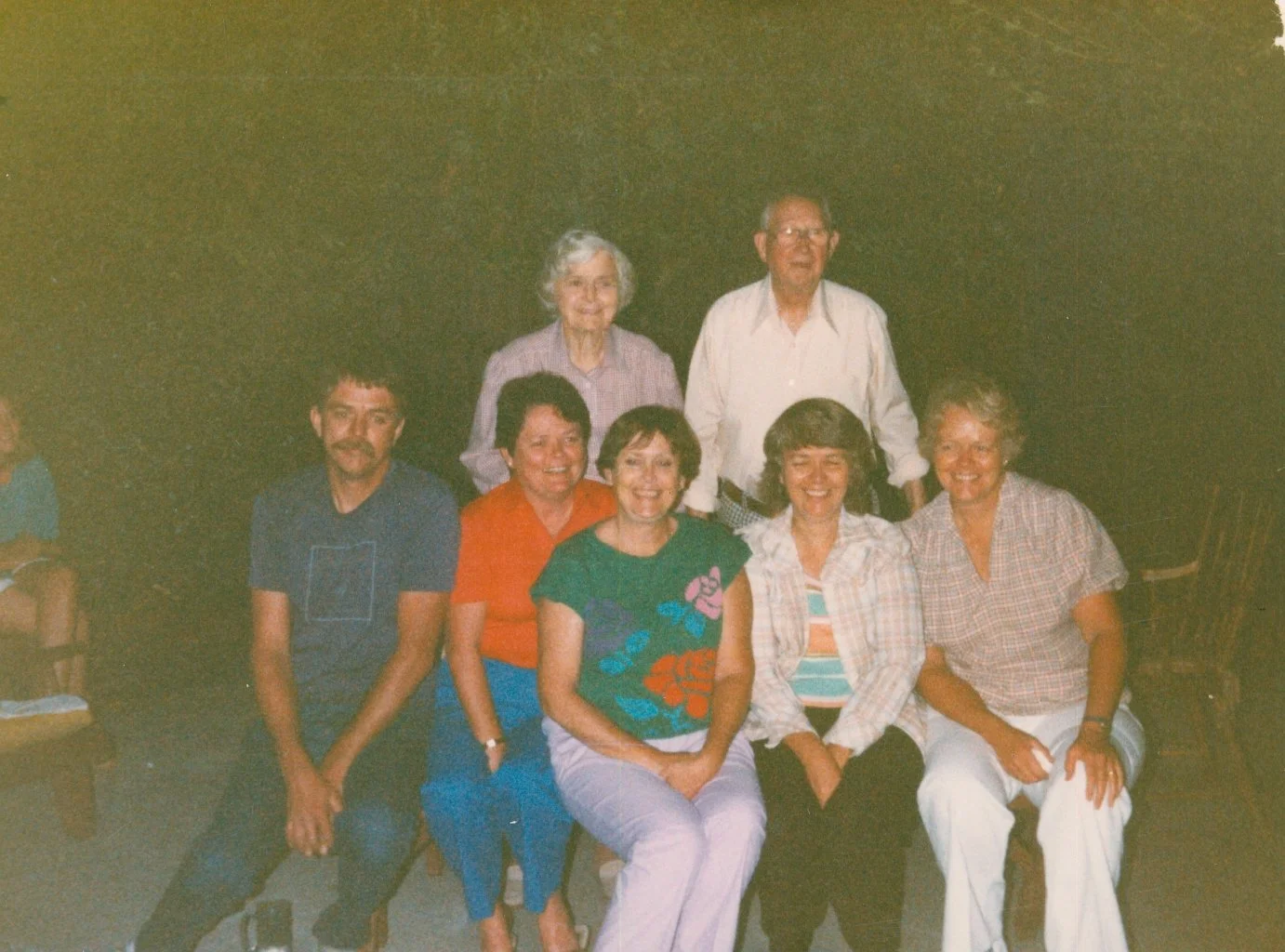
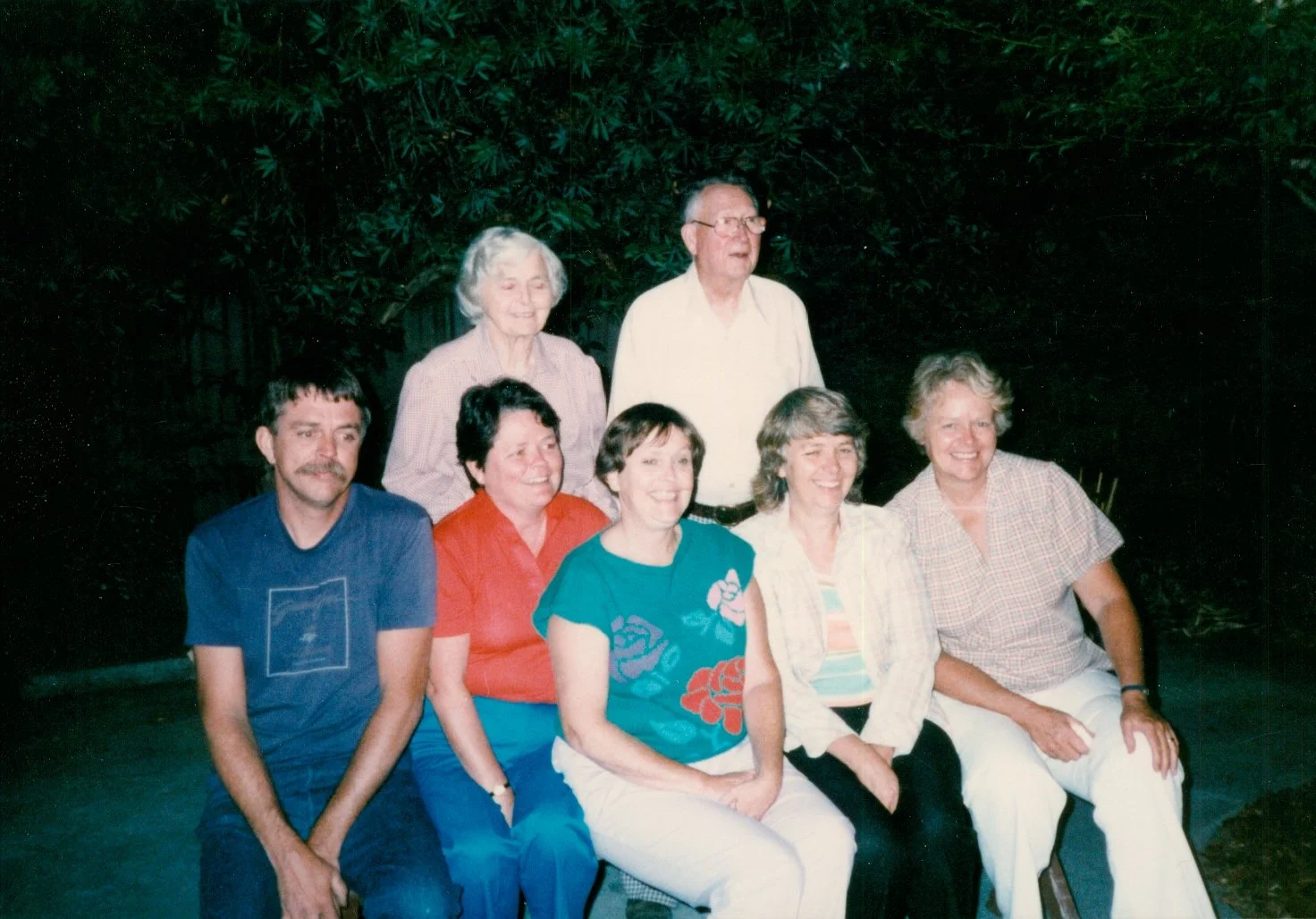
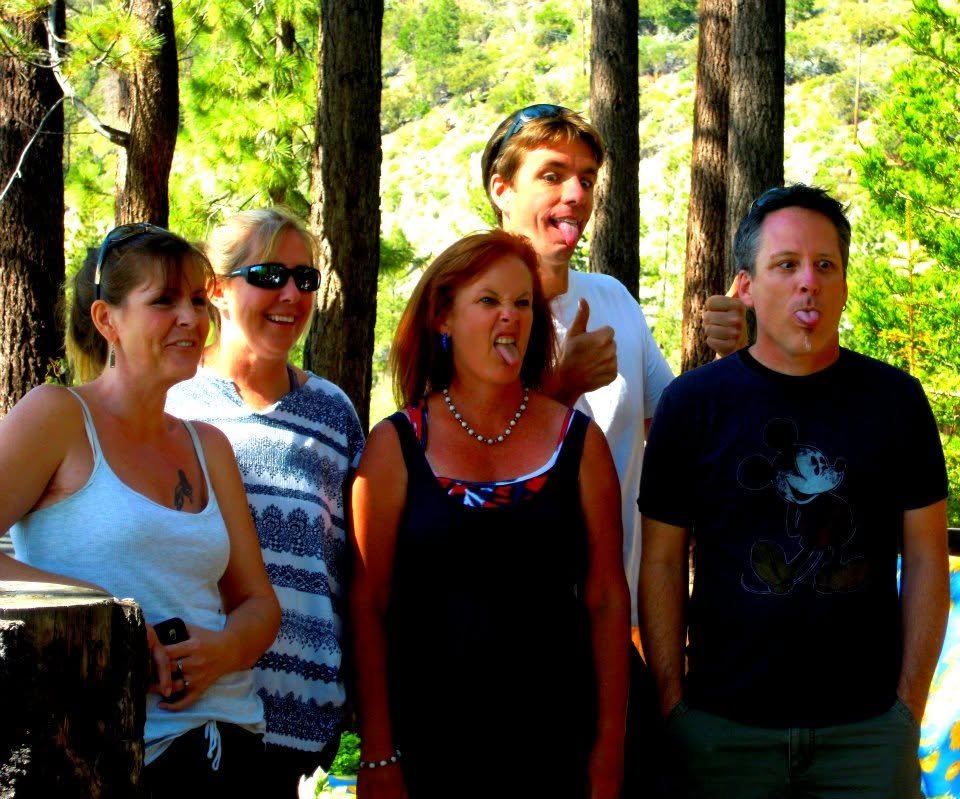
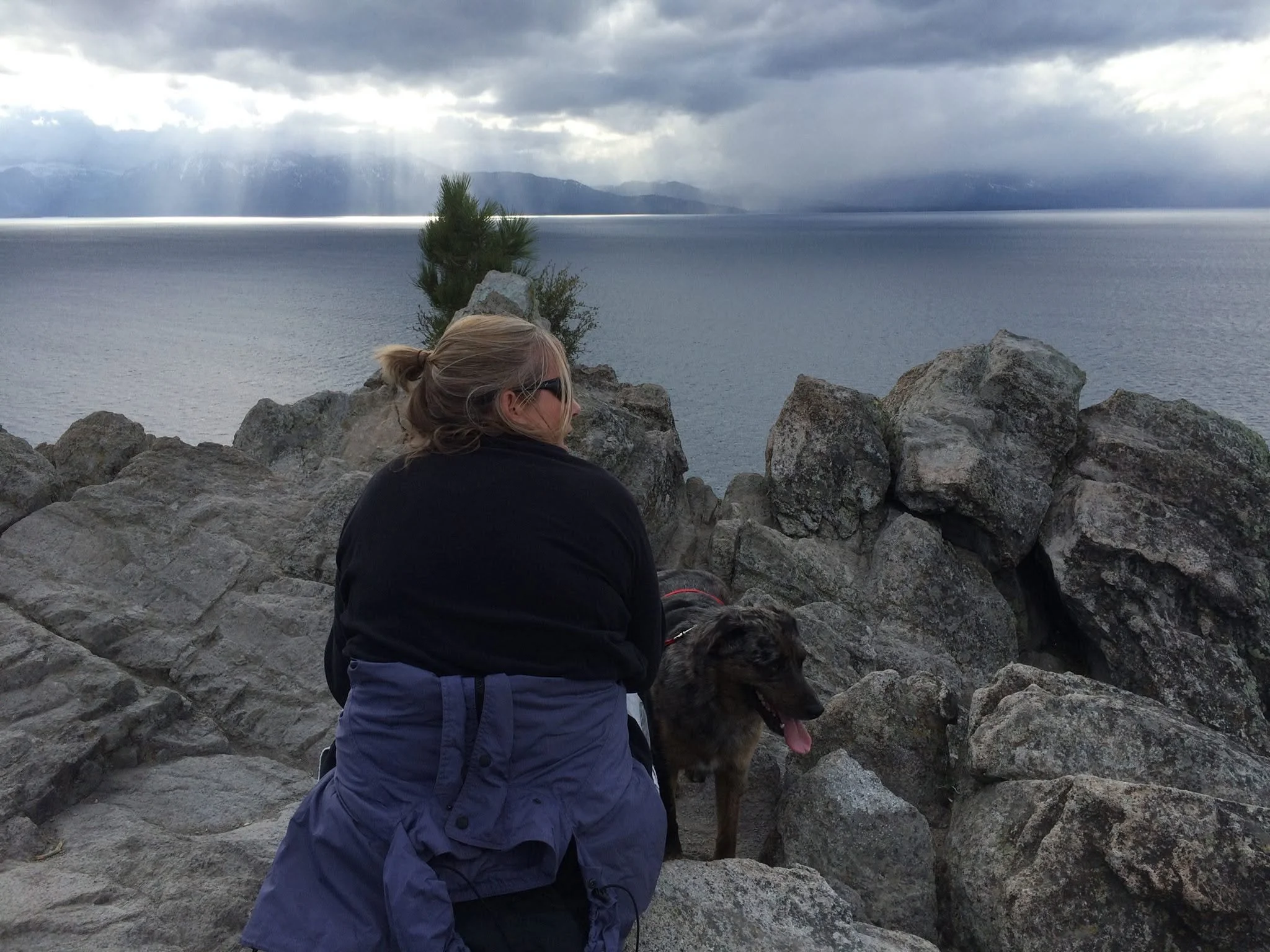
Who we are today: Check out who we are today.


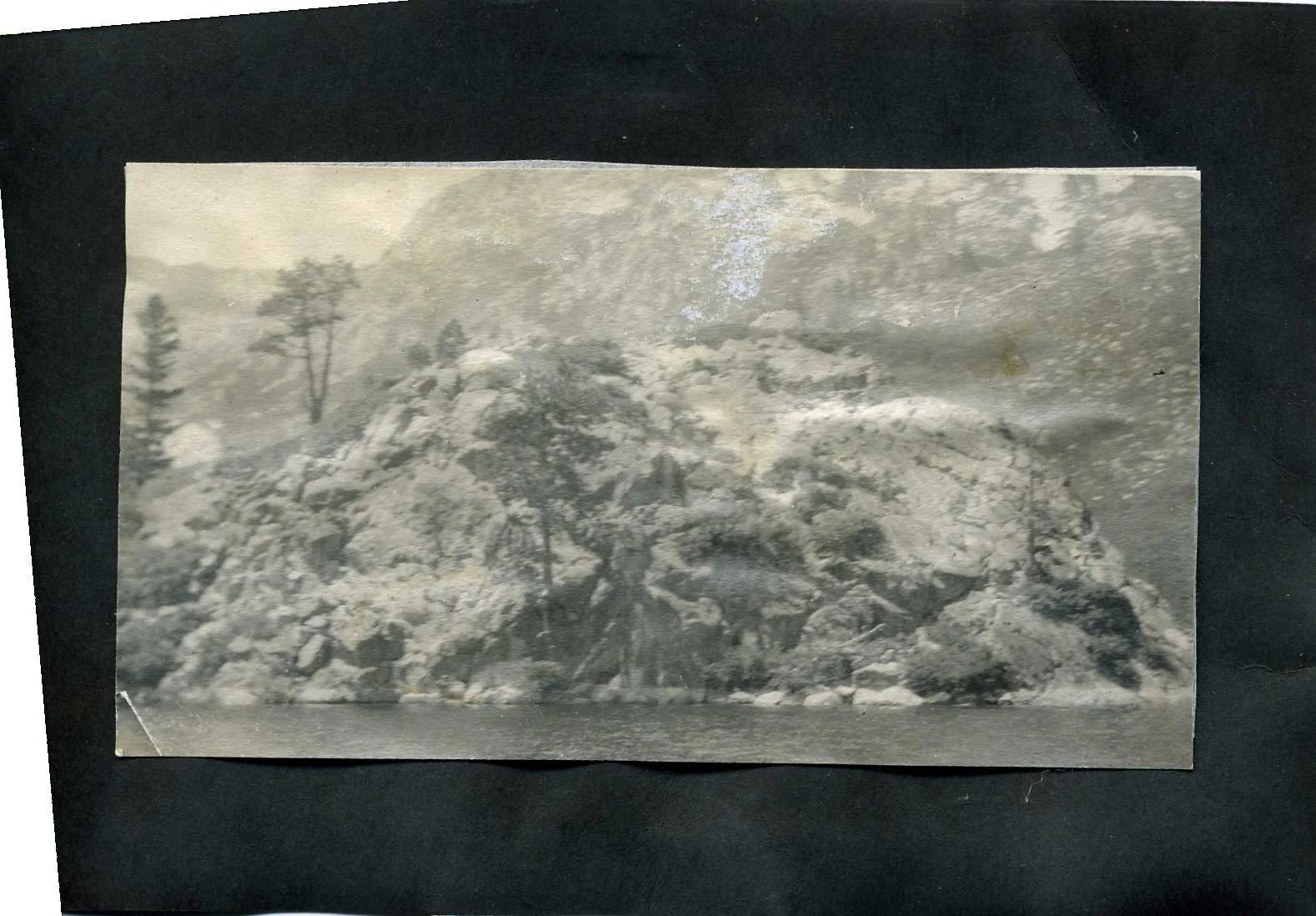
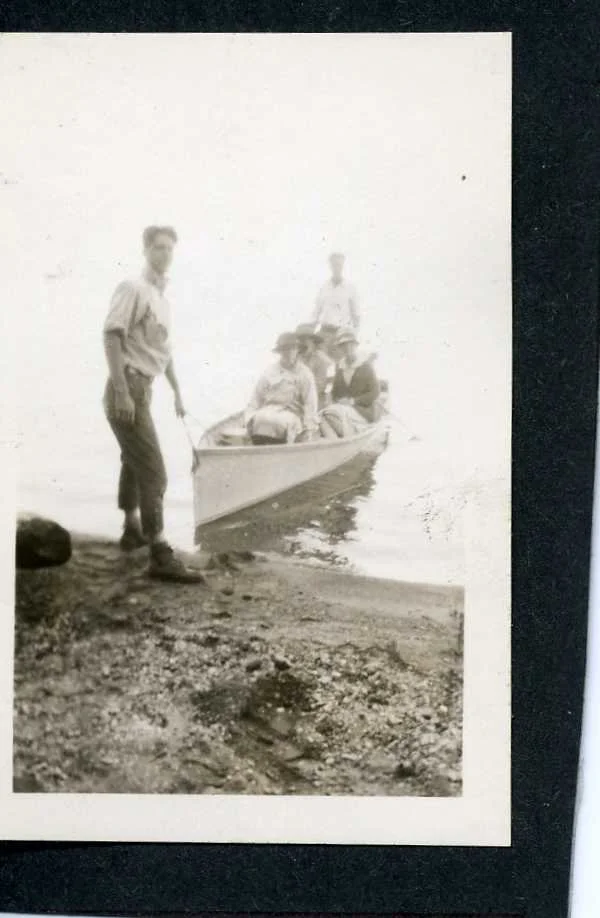
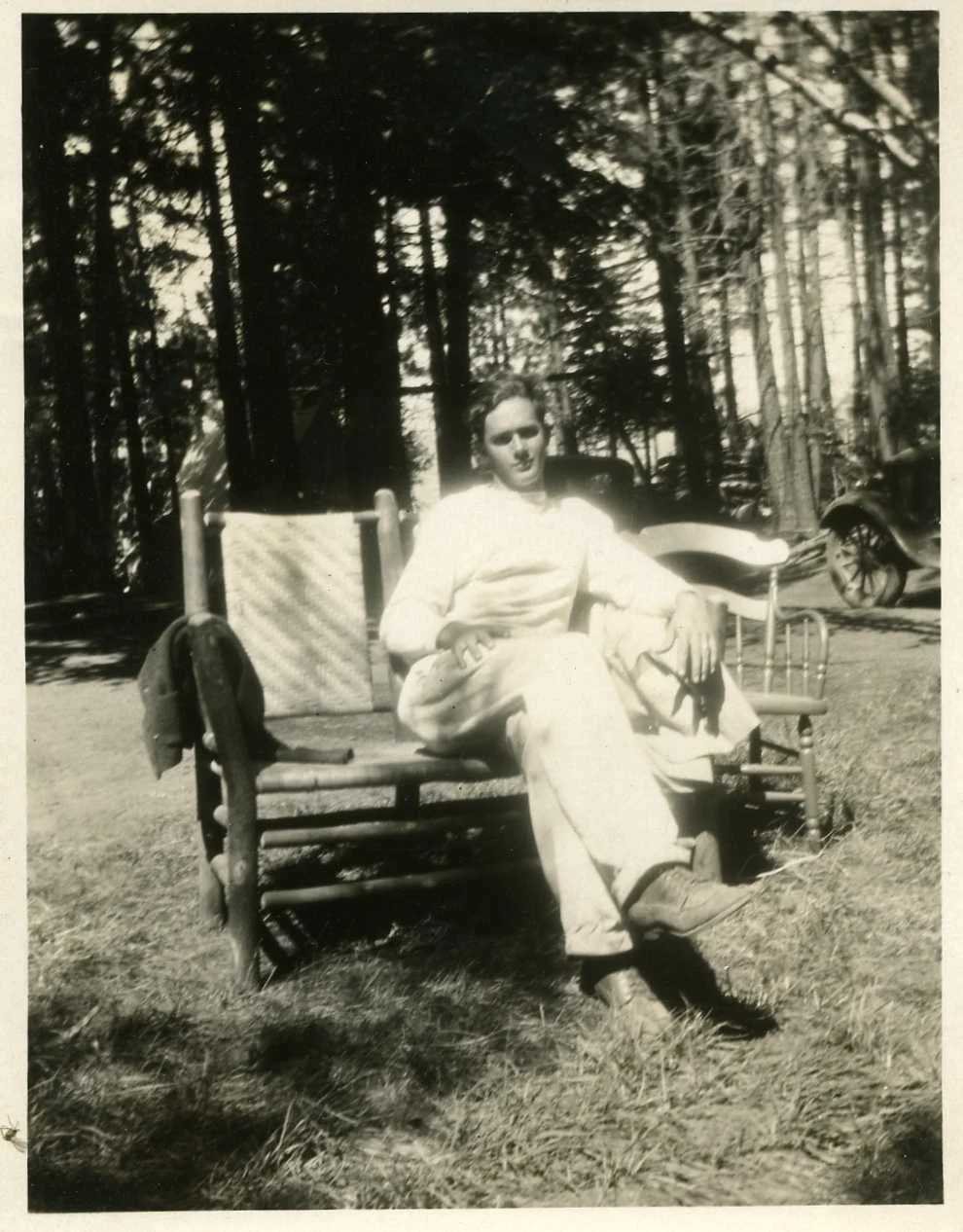
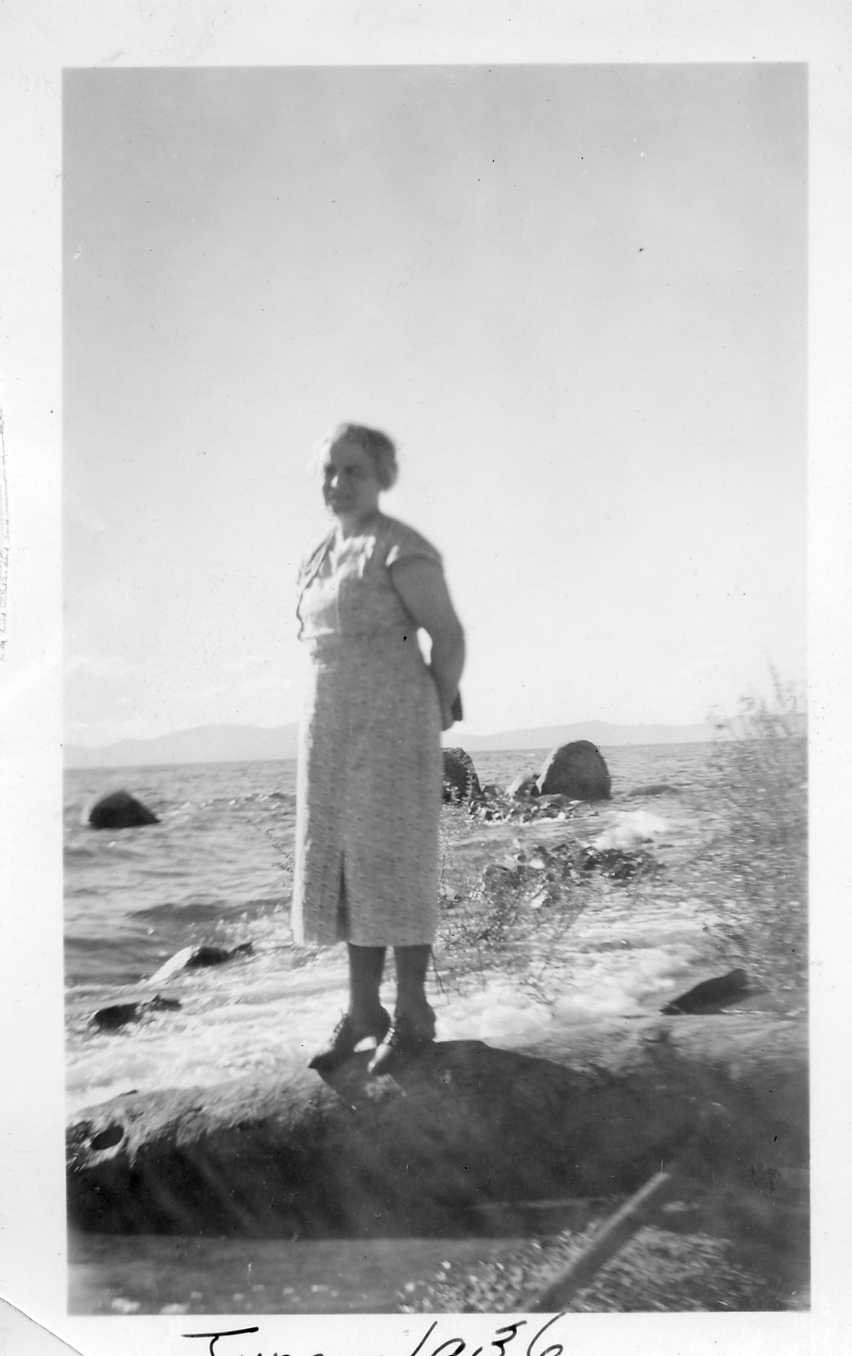
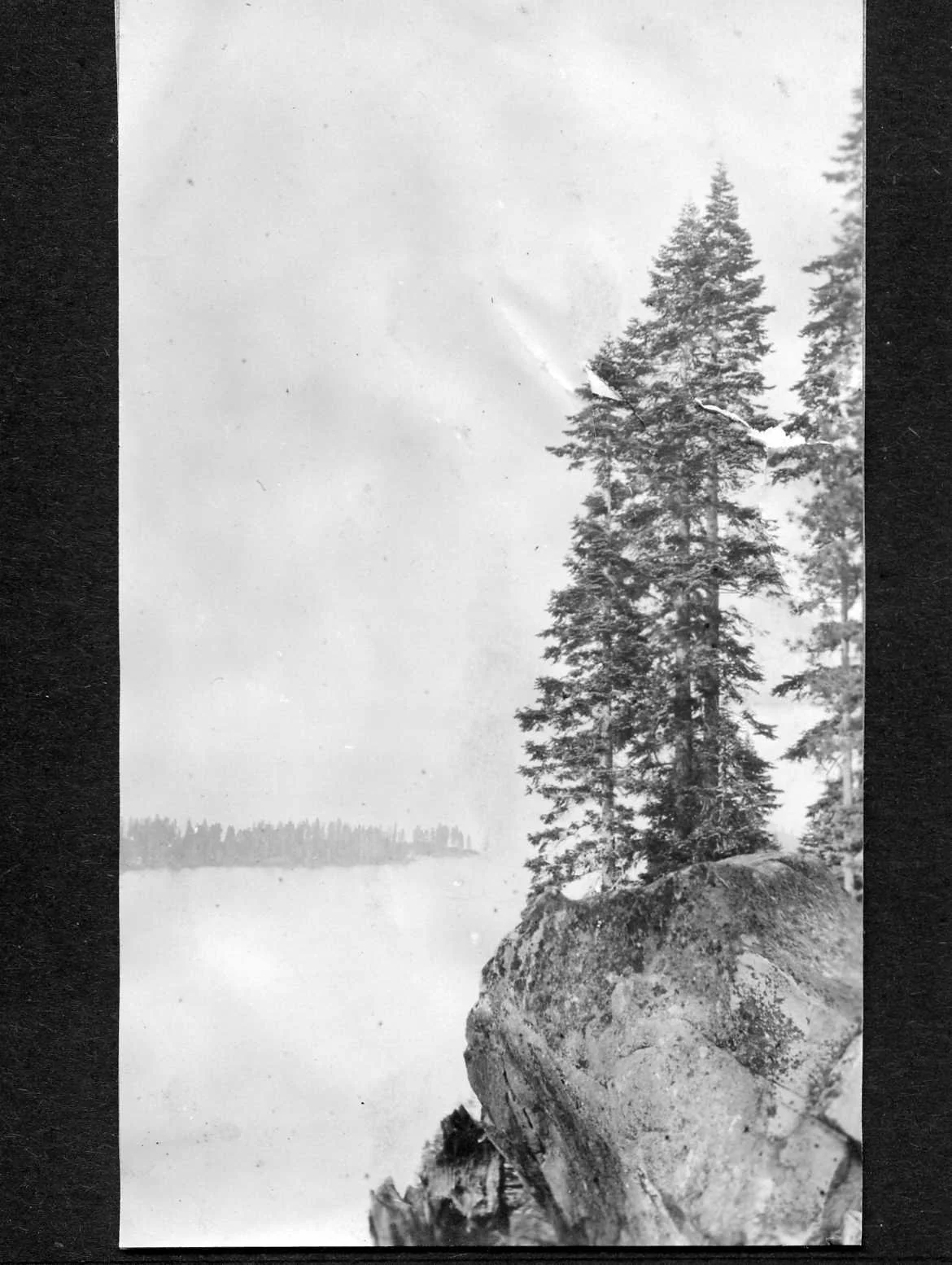
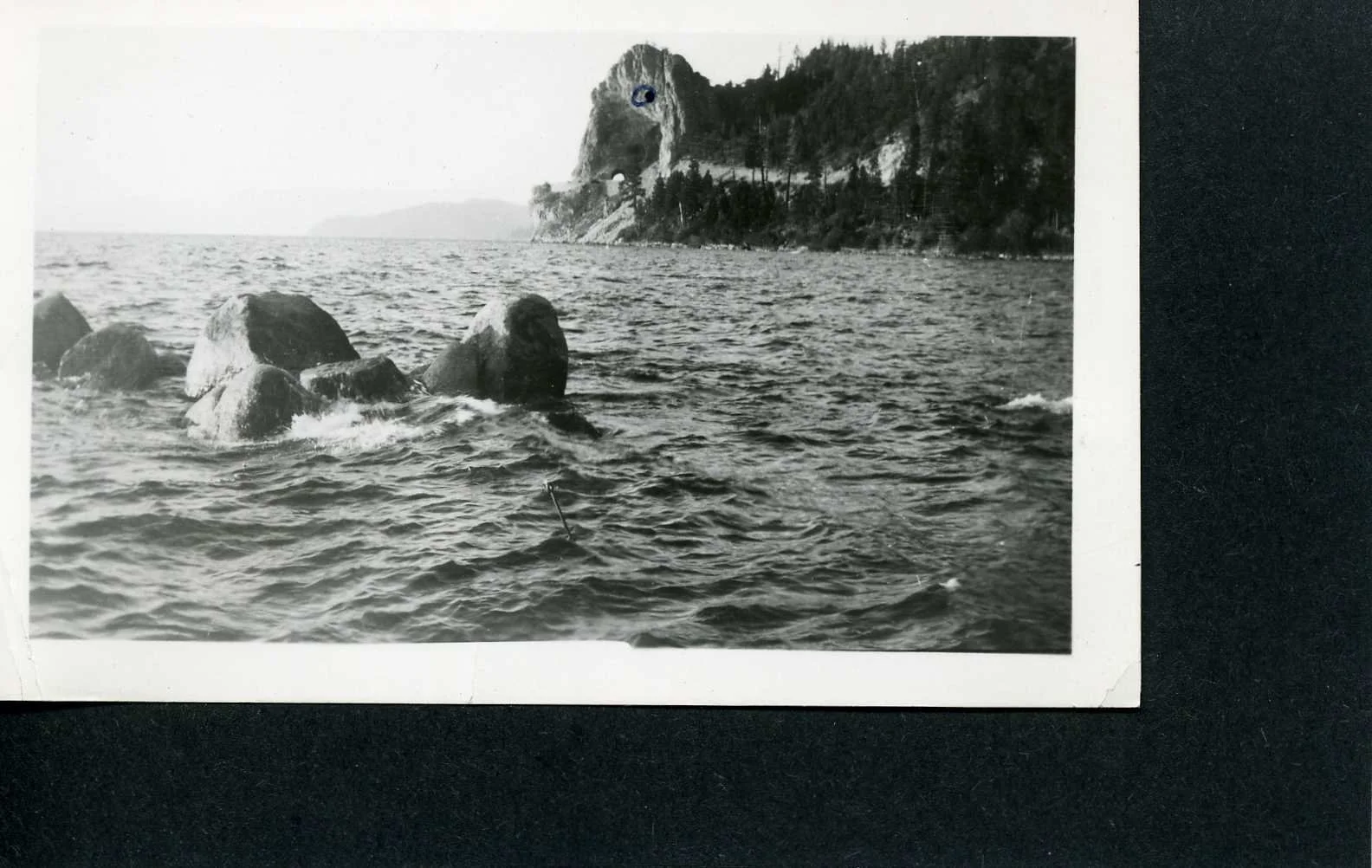
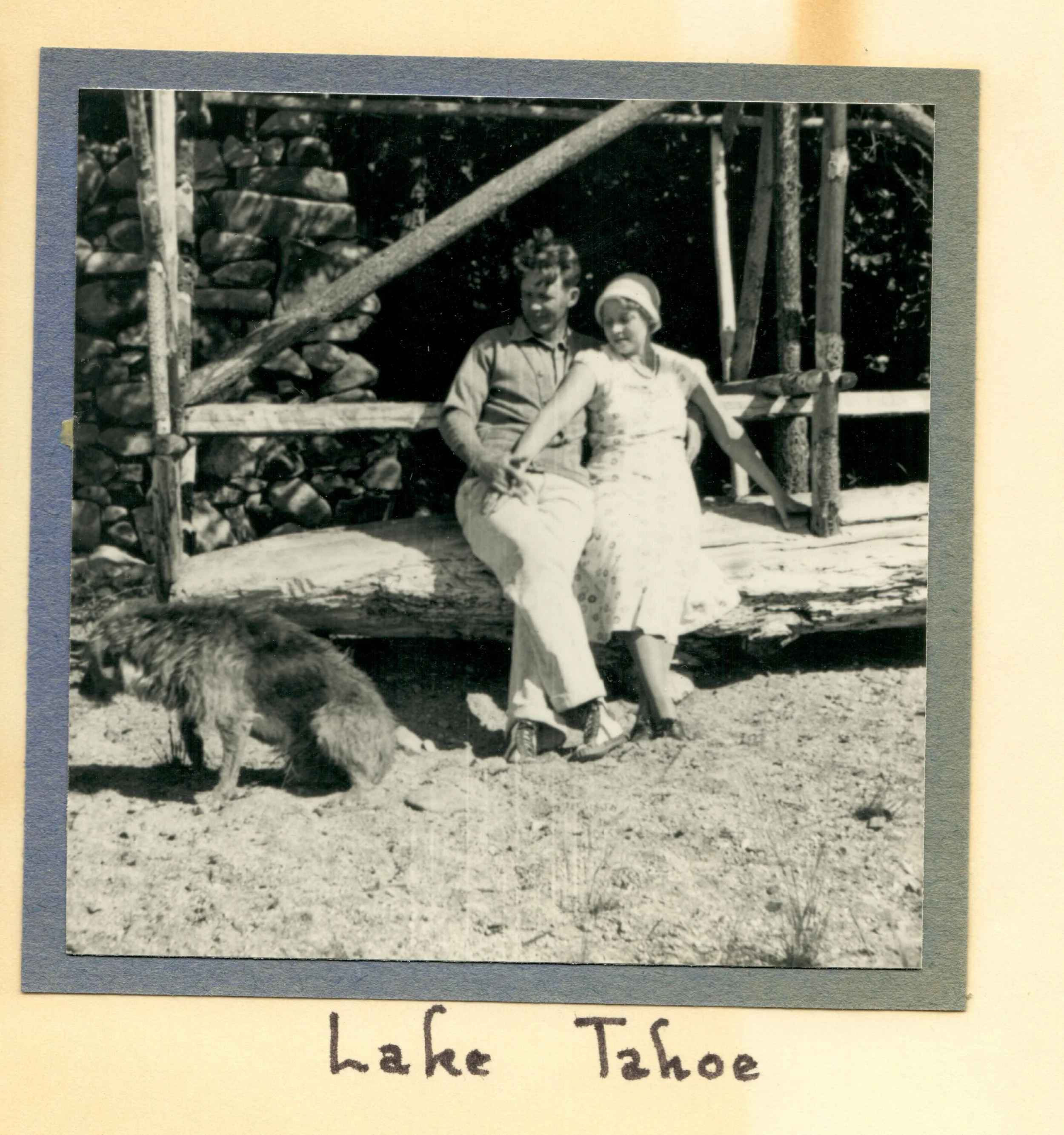
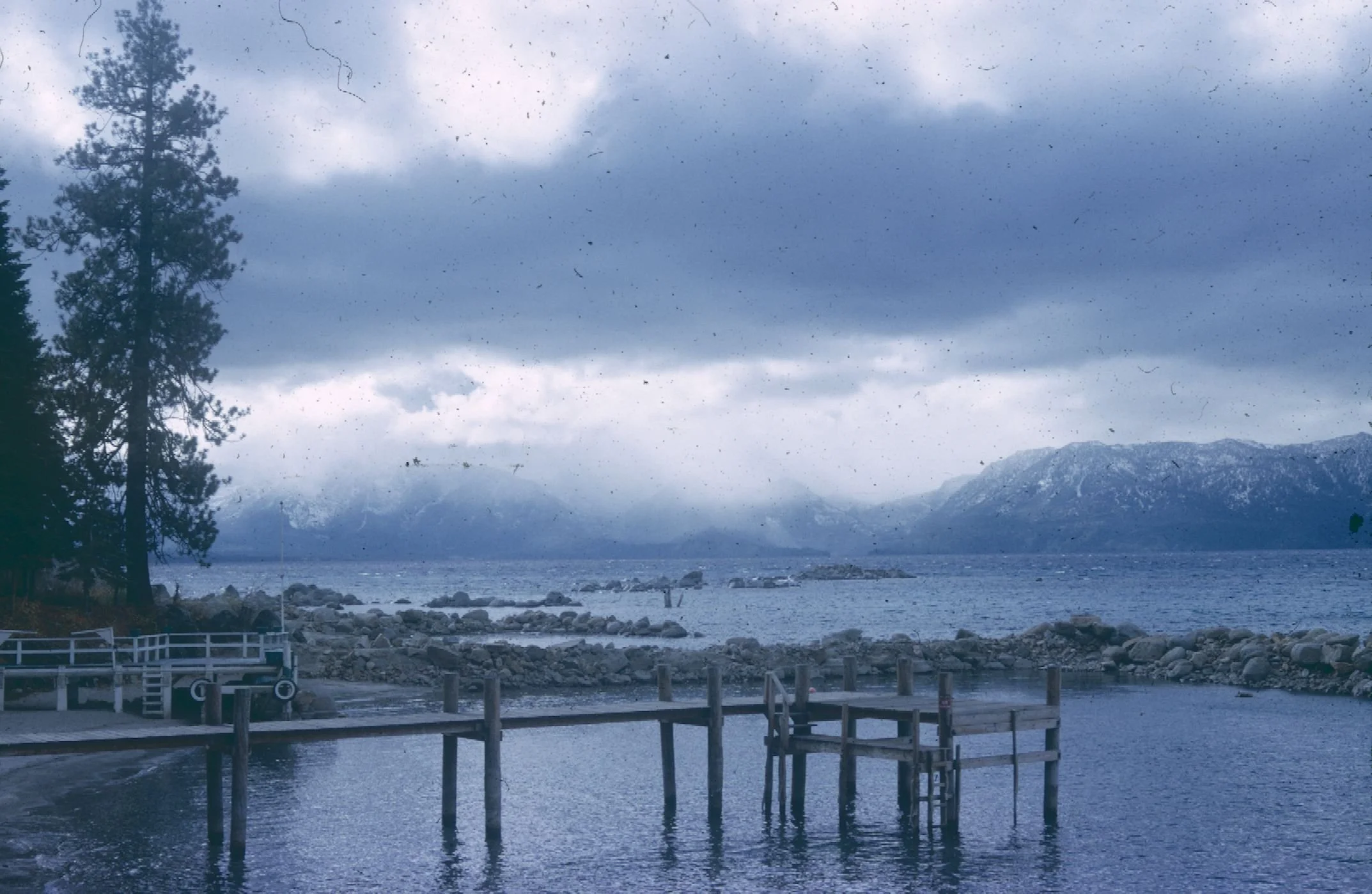
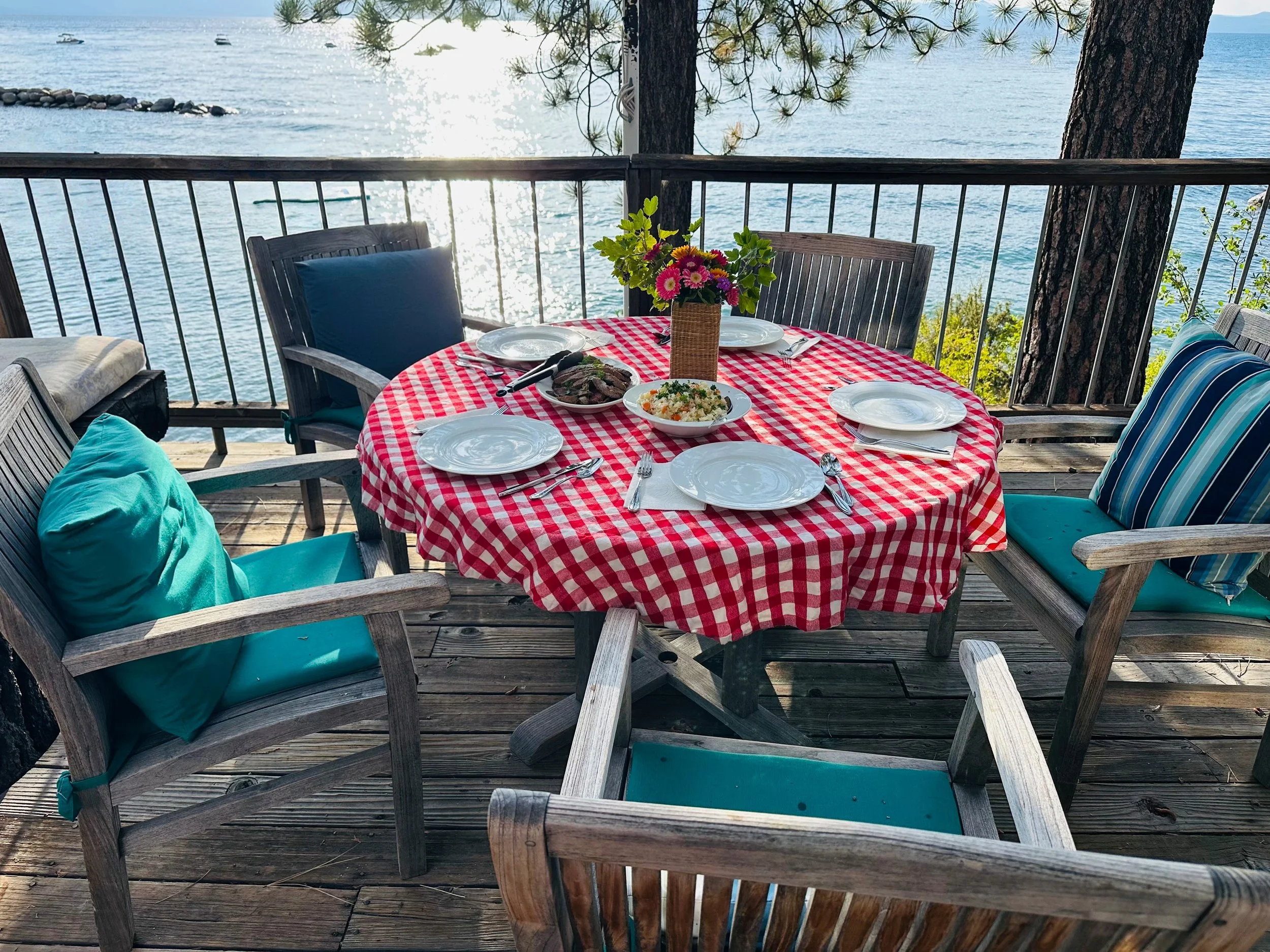
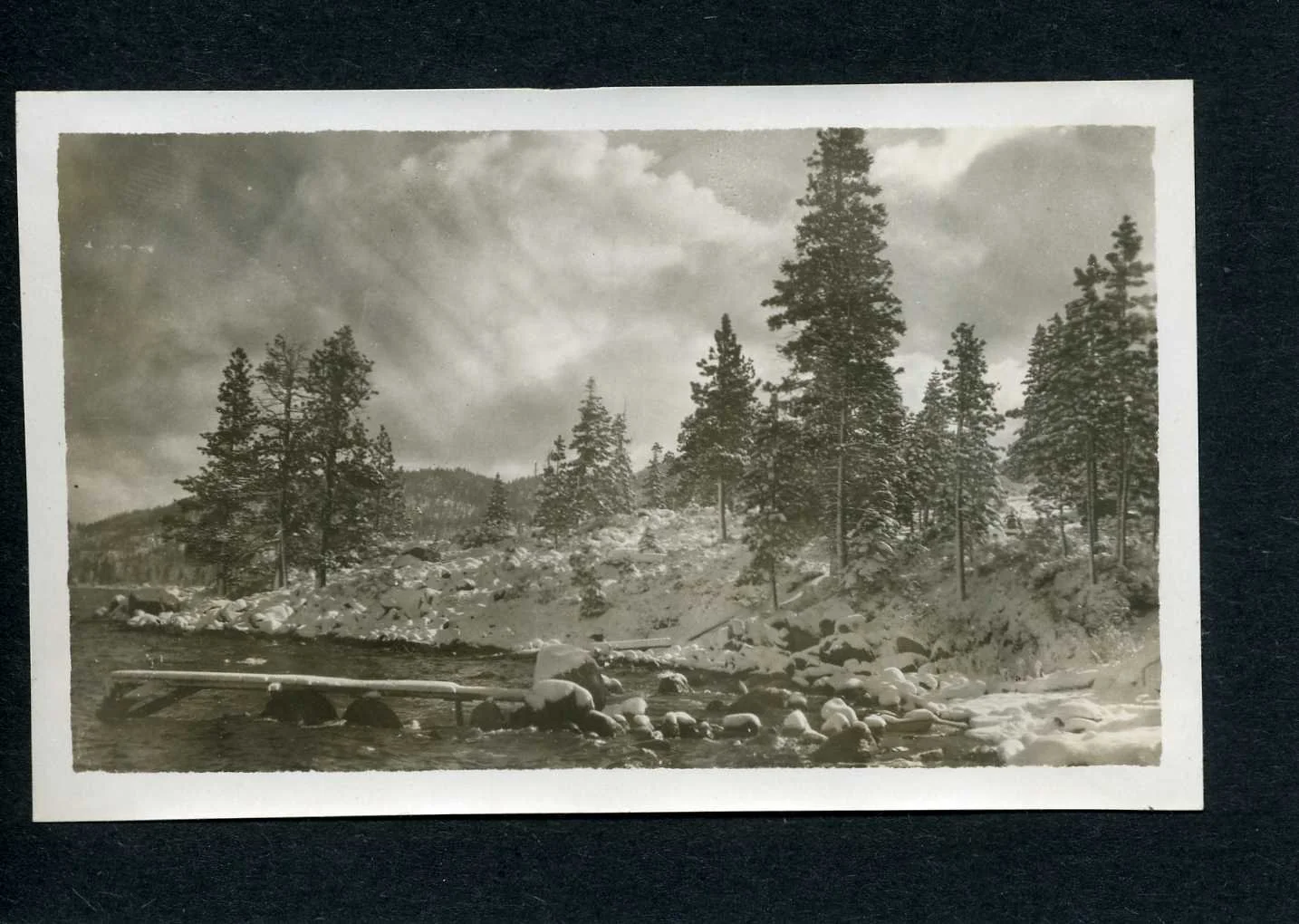
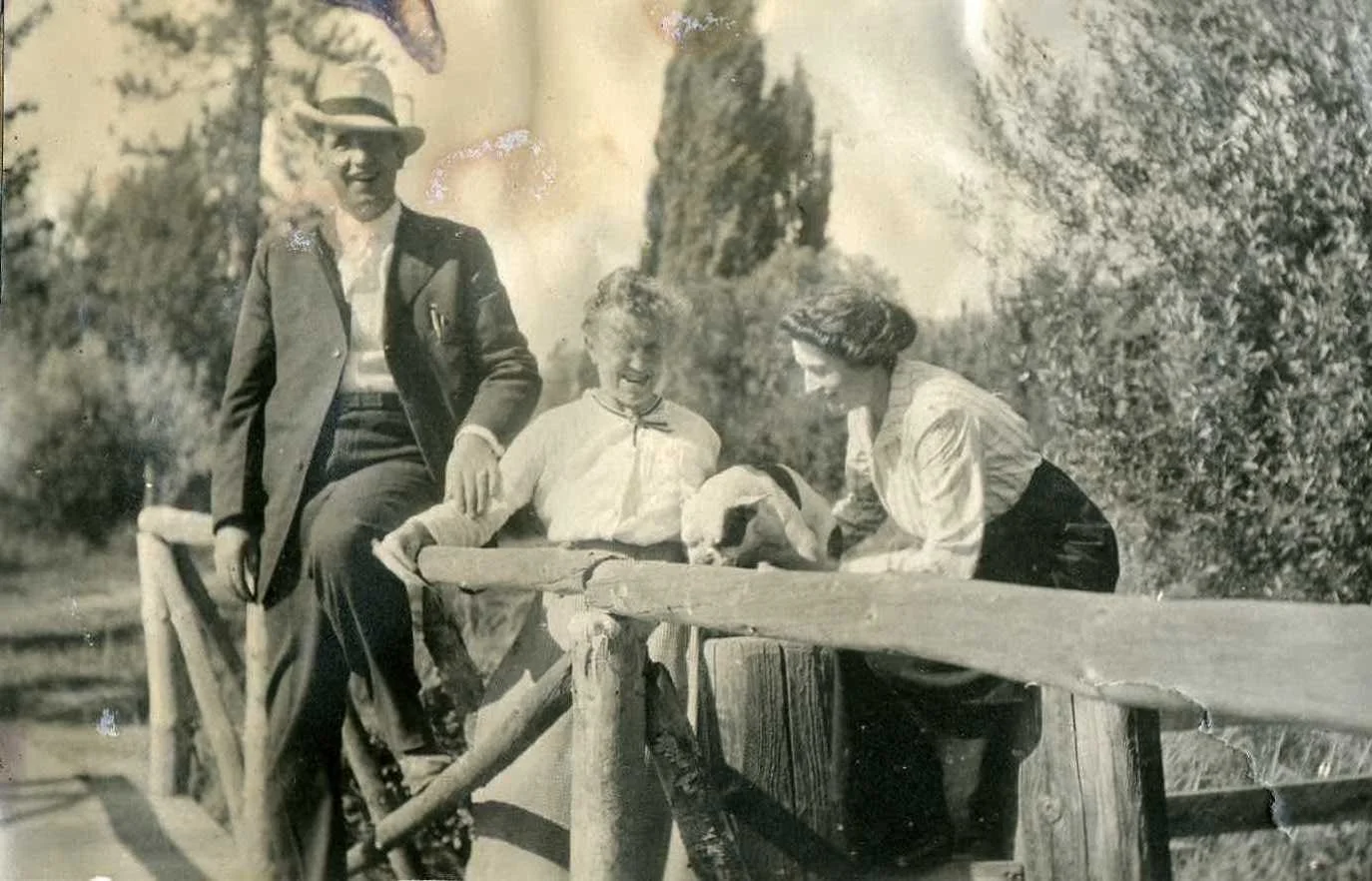
What about the name, Lake Tahoe?
Did you know that Lake Tahoe was officially named Lake Bigler until 1945?
The Origin (1854): The lake was named in honor of John Bigler, the third Governor of California.
The Backlash (1862): During the American Civil War, it was revealed that Bigler was an ardent Confederate sympathizer. In response, the U.S. Department of the Interior stripped his name from federal maps and introduced the name "Tahoe" (an anglicized version of the Washoe Native American word dá’aw, meaning "lake"). During the Comstock Lode silver rush (1859 to the late 1870s), Lake Tahoe became incredibly important because its massive timber forests were logged to support the underground mines in Virginia City. Because this boom aligned exactly with the American Civil War, cartographers were deeply divided over what to name the body of water. You can see on this map of Washoe Mines in 1860 that the lake is prominantely featured and named Lake Bigler. And then, this map from the US Government around the same time (1863) calls it Lake Tahoe.
The Feud (1870): Angered by the federal government's overreach, the California Legislature passed a new law in 1870 stubbornly reaffirming that the state's official name for the body of water was Lake Bigler. Famous locals like Mark Twain actually fought to keep the name Bigler, openly mocking the word "Tahoe".
The Resolution (1945): Even though the public and mapmakers completely ignored the state government and called it Lake Tahoe for decades, California did not legally change the official state name to Lake Tahoe until July 18, 1945.